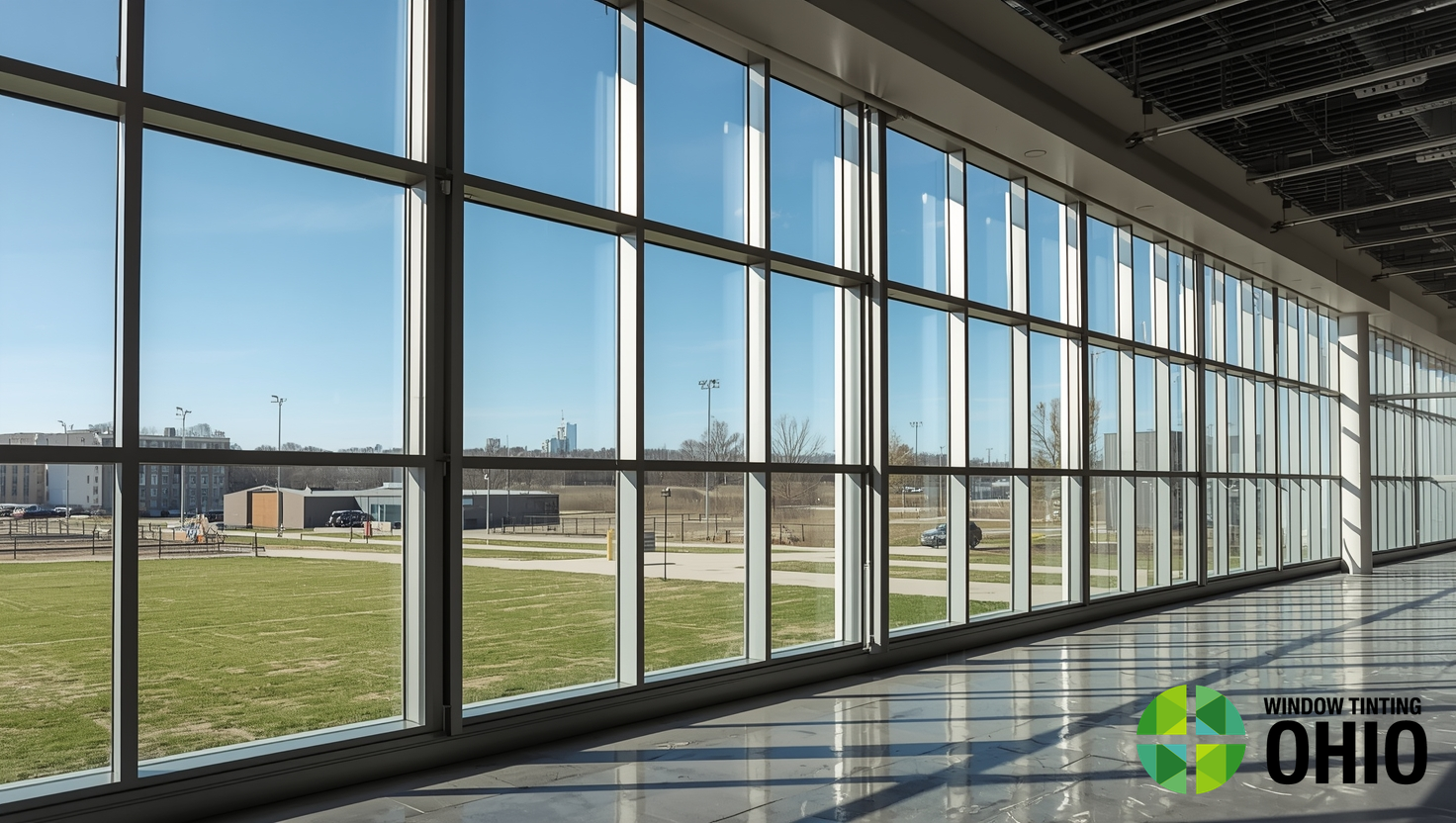
Ohio isn’t California, but it isn’t quake-proof either. The New Madrid Seismic Zone can send shaking into the Midwest, and the Anna, Ohio seismic zone in Shelby County is one of the state’s most active areas. When ground motion hits a building, windows and glass doors are often the fastest path from “minor event” to injuries, clean-up, and business disruption.
VIDEO_PENDING_REVIEW: NO_SAFE_MATCH
For property owners evaluating earthquake protection systems in Ohio, structural retrofits may not be realistic—or necessary—for every site. A practical place to start is the glass you already have, especially in offices, retail storefronts, and high-occupancy spaces where brittle glazing can fail when frames rack or sway.
Ohio’s Real Seismic Risk: New Madrid and the Anna Zone
Southwest Ohio sits closer to New Madrid than many people realize, and Cincinnati-area buildings can feel the effects of regional seismicity. Central Ohio has also felt small events—like the 2019 Marysville tremors that residents reported—while the Anna seismic zone remains a legitimate local driver of risk in and around Shelby County.
That combination is why earthquake protection systems in Ohio shouldn’t be treated as a coastal-only conversation. Even modest shaking can stress glazing systems, especially large panes, older frames, or expansive lobbies with lots of glass. For many sites, earthquake protection systems in Ohio start with reducing interior hazards that can injure occupants.
What Shaking Does to Windows and Glass Doors
During shaking, buildings flex. Glass doesn’t. When the frame moves out of square, glass can crack, chip at the edges, or shatter—sometimes in a way that throws fragments into occupied space. Seismic protection for Ohio buildings often focuses on structure, but glass protection reduces one of the most common, preventable injury hazards.
Problems that show up most often in real buildings include:
- Fragmentation and spall that sends sharp pieces into hallways, lobbies, and work areas.
- Falling shards from sidelites, transoms, and interior partitions.
- Openings that invite intrusion after the event, when damaged glass is easy to push through.
What Safety and Security Window Film Actually Does
Safety and security window film is a tough polyester layer installed on the interior side of existing glass. Its core job is simple: keep broken glass together so it doesn’t explode into dangerous shards. As part of earthquake protection systems in Ohio, that “glass-retention” effect can reduce injuries and shorten clean-up time.
When the right film is paired with the right installation method, it can:
- Hold fractured glass in place to reduce flying fragments and spall.
- Slow forced entry by making smash-and-grab attacks take longer and draw attention.
- Improve pressure-event performance (including blast-related concerns) by helping keep the glass/film sheet more intact.
LLumar notes that its safety film technology is available in multiple thickness options—such as 4 mil and 8 mil for dyed safety films, and 4 mil, 7 mil, and 13 mil for clear safety films—and that these films can block up to 99% of harmful UV rays. Thicker films are commonly chosen when the priority is stronger tear resistance and better fragment retention.
Window Film as Passive Seismic Protection for Ohio Buildings
Window film doesn’t stop a building from moving, and it isn’t a replacement for engineered seismic upgrades. It works as passive protection for the glass itself—helping broken panes stay in one piece instead of turning into a shower of sharp debris. For many owners, that’s the most actionable part of earthquake protection systems in Ohio.

Heat rejection highlights for earthquake protection systems ohio in Ohio.
Performance depends on details. Film choice, glass type, and frame condition matter, and higher-risk openings may benefit from attachment methods designed to keep the filmed glass sheet from peeling away from the frame when stressed. That’s where earthquake protection systems in Ohio become less about a single product and more about a complete glass-safety approach.
Where This Matters Most Across Ohio
Not every opening has the same risk. The best candidates are areas with high foot traffic, large glass spans, and high consequences from downtime—exactly the places most businesses can’t afford to lose after shaking. For many facilities teams, earthquake protection systems in Ohio begin with lobbies, corridors, and customer-facing glass.
Priority targets for seismic protection for Ohio buildings often include:
- Columbus office parks with interior sidelites and conference-room glass along busy corridors.
- Cleveland high-rises with lobby entries, elevator-adjacent glass, and large glazing walls.
- Cincinnati storefronts where glass damage can become both a safety issue and a security issue overnight.
Selecting a Tested Film System (not Just “tint”)
Safety/security film is not the same as decorative film. LLumar’s commercial safety and security films are described as extensively tested to multiple safety glazing and security-related standards on their product pages, including EN356 manual attack resistance at level P2A. For earthquake protection systems in Ohio, that kind of testing reference is important when the goal is real hazard reduction—not aesthetics.
A simple site walk-through usually covers:
- Glass inventory (tempered vs. annealed, insulated units, laminated glass, and any existing coatings).
- Frame condition, since loose glazing beads and aging gaskets affect how glass behaves during racking.
- Film selection and thickness matched to the opening’s risk and use.
For manufacturer background, see LLumar safety and security film information. For regional context, the USGS earthquake hazard resources for the Midwest are a solid starting point. To compare options locally, review security window film benefits for Ohio properties and commercial window film in Ohio for offices and storefronts.
Schedule a Consultation for Your Ohio Property
If earthquake protection systems in Ohio are on your risk checklist, start with the glass. Safety and security window film can reduce glass-related injuries, limit interior damage, and help keep your property more secure after tremors or aftershocks.
Contact Window Tinting Ohio for a consultation and quote based on your building’s glass type, frame condition, and risk profile—whether you manage a Columbus office park, a Cleveland high-rise, or a Cincinnati storefront.