The Energy Efficiency Challenge in Ohio’s Historic Buildings
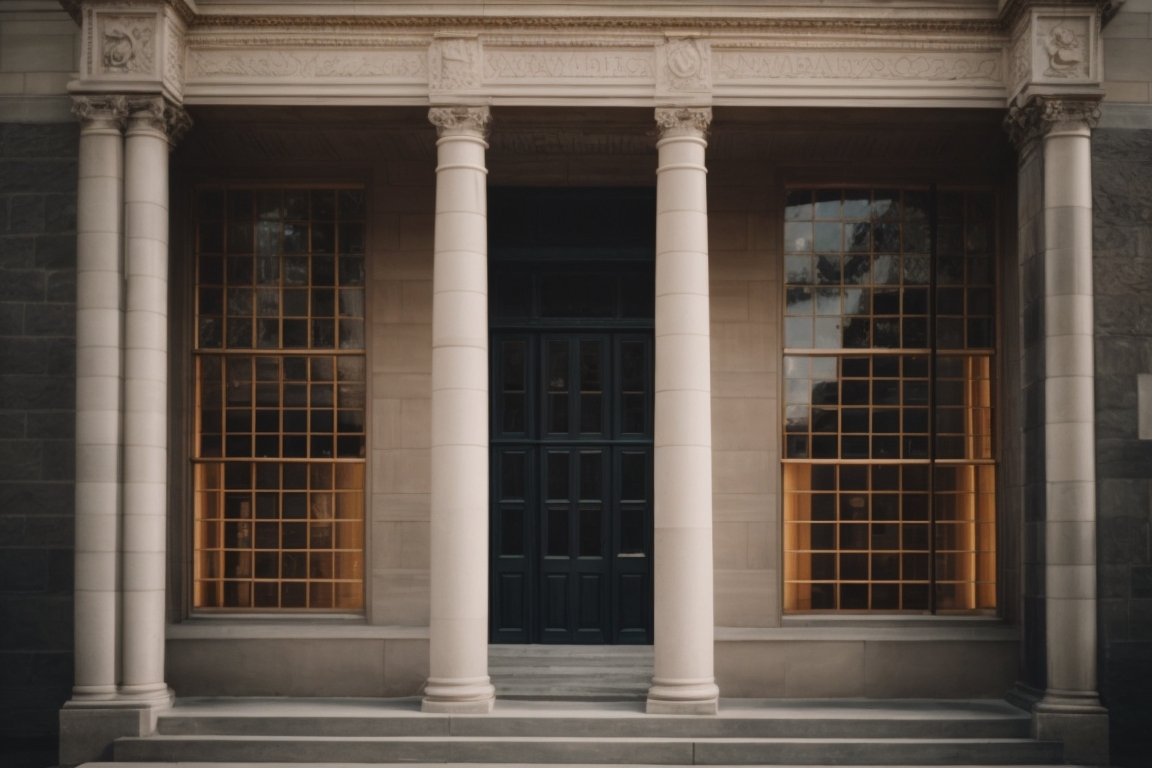
In Ohio, owners and caretakers of historic landmark buildings face a unique and pressing issue when trying to balance heritage conservation with modern energy efficiency demands. Despite their cultural and architectural significance, these venerable structures are often not designed to meet today’s standards for thermal efficiency. The problem becomes evident when attempting to integrate contemporary solutions like heat blocking window film into these historic edifices without compromising their integrity or aesthetic value.
The key challenge is maintaining the delicate balance between preserving the historical authenticity of these buildings and enhancing their functionality in the face of evolving environmental concerns. Traditional window treatments that were originally installed in these buildings are typically single-pane and significantly lacking in terms of insulation properties. This results in excessive heat gain during summer and substantial heat loss during winter, leading to elevated energy costs and increased carbon footprints, which is hardly sustainable in the long run.
The integration of modern technologies such as heat blocking window film is often met with resistance due to the stringent preservation guidelines that govern landmark buildings. Thus, the building owners are caught in a bind—needing to adhere to historical preservation standards while also striving to meet contemporary energy efficiency benchmarks. This ongoing dilemma not only impacts the operational costs associated with maintaining these buildings but also affects their viability and functionality in today’s eco-conscious society.
Ultimately, the question is not just about retrofitting old windows, but how to do so effectively and respectfully, preserving the past while embracing the future. This complex issue underpins the broader challenge of modernizing historic properties in Ohio, demonstrating a clear need for innovative and sympathetic solutions in architectural conservation.
Understanding the Challenge with Historical Windows
In Ohio, the charm of historical buildings is undeniable, but these landmarks face a silent nemesis: energy inefficiency, primarily due to aging window structures. The core of the problem starts with the original window materials used in these historic edifices. Typically crafted from single-pane glass and framed in materials prone to deterioration over time, these windows are not conducive to energy conservation. This setup allows for significant heat transfer, meaning that heat easily escapes in the winter and invades during the summer months.
This inherent flaw in historical windows necessitates constant heating and cooling efforts to maintain a comfortable interior environment, leading to elevated energy consumption. Over time, this not only becomes a cost issue but also a sustainability concern, reflecting the long-term challenges of keeping historical buildings both preserved and functionally efficient. Without modern interventions, these buildings risk becoming both financially and environmentally unsustainable to maintain, underpinning the ongoing struggle between preservation and modernization.
Historical Structures at Risk: Energy Inefficiency in Ohio’s Landmark Buildings
Many historical structures across Ohio lack modern energy-efficient features, and windows are often the weakest link, contributing to significant energy loss. This problem is exacerbated in landmark buildings, where preserving architectural integrity often means forgoing new construction technologies. The impact of this problem is not just an increase in energy consumption but a substantial rise in utility costs for owners and occupants. Furthermore, the reliance on outdated structures can strain HVAC systems, leading to more frequent repairs and a reduced lifespan of heating and cooling units. Without rectifying these issues through solutions like heat blocking window film, Ohio’s architectural treasures could not only see financial burdens soar but might face challenges in maintaining the comfort of those who occupy these spaces year-round.
Unseen Dangers Lurking in Your Landmark Ohio Home
Picturing Ohio’s historic homes brings to mind images of picturesque charm and architectural grandeur. However, there’s a silent assailant that could be eroding the value of your treasured property: inadequate protection against the sun’s harsh rays. Heat blocking window film, often overlooked, plays a crucial role that homeowners might not fully appreciate until the damage is all too visible.
Imagine the relentless Ohio sun streaming through untreated windows of your historic home day after day. Over time, this can lead to faded interiors — your cherished hardwood floors, precious antique furniture, and elegant draperies could all lose their color and vitality. But the threat goes beyond aesthetics. The ultraviolet rays can weaken the structural integrity of your beloved abode. What you can’t see can hurt the lifespan of your keepsakes and, most critically, the very fabric that has stood the test of time.
Additionally, the steadiness of indoor climates is jeopardized. Without the barrier provided by heat blocking window films, homes become susceptible to extreme temperature fluctuations. These are not just discomforts — they translate into soaring energy bills in an attempt to maintain a livable environment, straining both your wallet and Ohio’s energy resources. For a home particularly in historical landmarks, which you hold dear, this is a silent crisis escalating right before our eyes.
This isn’t merely a problem for “someday”; it’s a creeping reality that endangers the charm and longevity of Ohio’s historic homes today. Left unchecked, the consequences will manifest economically and aesthetically, turning what is a point of pride into a potential pitfall. Imagine the dismay of witnessing your once majestic dwelling slowly losing its historic and financial value — a scenario no homeowner wants to confront.
The Urgency of Retrofitting Ohio’s Historical Buildings with Heat Blocking Window Film
In Ohio, the historical buildings that define the state’s architectural legacy are increasingly at risk due to the accelerating effects of climate change. These timeless structures, often built with materials ill-equipped to handle today’s environmental challenges, face a critical juncture: adapt or succumb to the escalating energy costs and potential structural damages brought about by extreme temperatures and UV exposure.
The urgency to implement solutions like heat blocking window film cannot be overstated. Timely intervention is crucial not only for preserving these landmarks in their original splendor but also for ensuring they remain viable and functional spaces. Delaying retrofitting efforts can result in irreparable damage to the buildings’ internal and external integrity, leading to higher restoration costs and, more distressingly, a possible loss of cultural heritage.
Moreover, as Ohio continues to experience temperature variability, the need to address these issues promptly becomes a matter of sustainability and cost-effectiveness. Implementing heat blocking window films now provides an immediate barrier against these environmental impacts, notably reducing the energy burden on these historic structures and protecting them for future generations.
Preserve the Past, Enhance the Future with Heat Blocking Window Film
Heritage structures embody stories of the past, a tapestry of Ohio’s rich history preserved in stone and glass. Installing heat blocking window film transcends mere modernization; it’s a commitment to preserving these icons against the adverse effects of solar heat. This film mitigates the impact of UV rays which can deteriorate exquisite historical artifacts, faded furnishings, and invaluable interior artworks. It’s not simply a product—it’s an invaluable preservation measure that safeguards your historical property’s beauty and integrity without compromising its aesthetic charm.
Heat Blocking Window Film—The Optimal Solution for Historical Buildings in Ohio
When considering the preservation of historical landmarks along with modern energy efficiency standards in Ohio, heat blocking window film emerges not just as an alternative, but as the unparalleled solution. Its unique capability to integrate seamlessly into the architectural heritage while enhancing building performance marks a significant advancement in preservation practices.
Heat blocking window film particularly excels in environments where aesthetic preservation and energy performance intertwine. By applying this innovative film, historical buildings across Ohio can maintain their timeless allure, all the while reducing heat gain and minimizing energy consumption.
This specialized window film upholds the visual integrity of traditional windows, ensuring that the historical value is uncompromised. The clear, low-profile design makes it almost invisible, preserving the original appearance of historic window frameworks which is often a critical aspect in renovation projects.
Moreover, the spectral selectivity of high-quality heat blocking window films allows for maximum light to pass through while significantly deflecting heat-causing wavelengths. As a result, it ensures a comfortable indoor climate, vital for both the preservation of historic interiors and the comfort of visitors and occupants alike. This not only improves the ambiance of the environment but also substantially lowers cooling costs during the warmer months.
In combining functionality with conservation, heat blocking window film stands as not merely a recommended option but the definitive solution for maintaining Ohio’s heritage. In retrofitting landmark buildings with this technology, we embrace a future where historical preservation and energy efficiency coexist harmoniously.
Revitalizing Historical Ohio Properties with Heat Blocking Window Film
Heat blocking window film provides a novel solution to a perennial challenge in Ohio’s historic buildings: balancing energy efficiency with architectural integrity. This state-of-the-art film technology specifically addresses the constraints and care required in historical preservation. Such films can be applied directly to existing windows, efficiently reflecting solar energy and substantially reducing heat gain without the need for costly and intrusive window replacements.
This innovative solution preserves the unique look and historical significance of the windows while simultaneously enhancing thermal comfort and lowering energy expenses during Ohio’s notoriously diverse climate. It minimizes UV and infrared light penetration, which are major contributors to heat accumulation indoors. As a result, interior spaces can maintain a steady and more comfortable temperature, ultimately reducing the reliance on air conditioning and the associated energy costs. By fitting this simple yet effective film, Ohio’s historic buildings can meet modern energy standards without foregoing their historical essence.
Additional Benefits of Heat Blocking Window Film
Aside from its primary function of enhancing energy efficiency in historical Ohio buildings, heat blocking window film offers other significant advantages. This film can also protect interiors from UV damage, helping to preserve the color and integrity of furniture, carpets, and artworks that can degrade with prolonged sun exposure. Additionally, by maintaining a more consistent interior temperature, the film creates a more comfortable living or working environment. These benefits contribute not only to a building’s preservation but also to an improved daily experience for its occupants.
Revolutionizing Historical Windows with Heat Blocking Film in Ohio
Amidst the charm and aesthetic of Ohio’s historical buildings, lies the ongoing challenge of maintaining indoor comfort without compromising their architectural integrity. This is where heat blocking window film becomes not just a product, but a crucial element in preserving the past while embracing the future.
For Ohio property owners, retrofitting structures with this innovative film represents an act of foresight—distinct from mere renovation. It’s about anticipating the struggles linked to energy inefficiency in older buildings and addressing them head-on, in a manner that’s both effective and respectful to their historical value. By choosing heat blocking window film, property owners in Ohio are not simply applying a new layer to their windows; they are setting a precedent for energy conservation and sustainability in historical preservation.
The narrative here is far more than an upgrade; it’s a strategic move towards enhancing comfort, reducing energy costs, and maintaining the timeless appeal of historical sites. It might not always be stated outright, but when visitors behold the undistorted views through clear, protective window films, they witness a silent testament to the owner’s intelligent planning and responsibility towards heritage conservation.
In essence, integrating heat blocking window film into Ohio’s historical structures is not merely a trend. It’s a thoughtful approach towards future-proofing iconic landmarks, ensuring they stand not only as relics of the past but also as resilient, energy-efficient edifices in the modern age. This isn’t about a sales pitch; it’s about recognizing the benefits of an advanced solution that meets the unique challenges of historic preservation paired with energy management.
Preserve Your Ohio Heritage and Save Energy
Don’t compromise the historical value of your Ohio property or your comfort. Upgrade to heat blocking window film today and enjoy the dual benefits of preserving your building’s aesthetic and significantly reducing energy costs. Act now! Contact us for a seamless integration of modern technology with traditional beauty. Protect your landmark with heat blocking window film—enhance comfort and efficiency in one smart step!