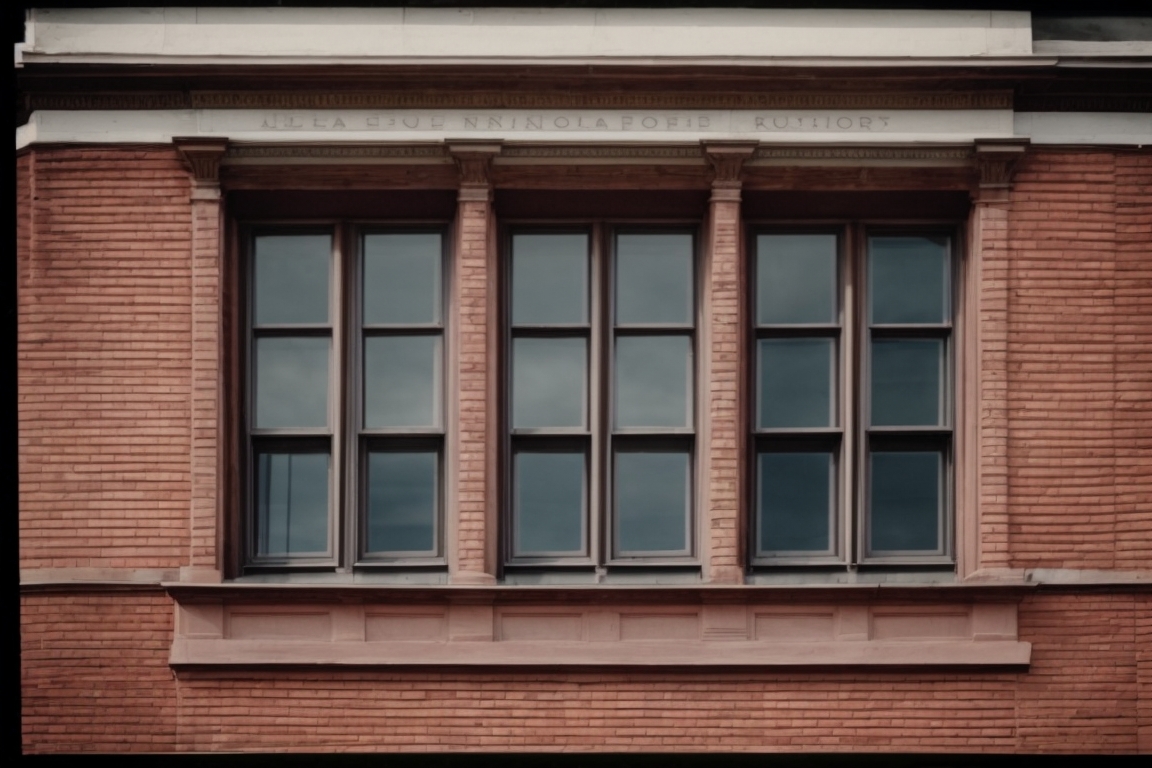
The Growing Need for Thermal Window Film in Ohio’s Historic Buildings
In Ohio, a state renowned for its rich tapestry of historic architecture, there is a growing need for modern solutions to enhance energy efficiency without compromising the integrity and aesthetic of landmark buildings. One such solution gaining attention is thermal window film. Ohio’s historic buildings, with their old and often inefficient windows, face the challenge of maintaining interior comfort while managing high energy costs and reducing environmental impact.
While these buildings stand as testaments to architectural heritage, many are not equipped to handle the extremes of Ohio’s climate, swinging from hot, humid summers to freezing winters. The installation of thermal window film presents a non-invasive and cost-effective opportunity to improve insulation and reduce energy consumption. However, awareness of this technology and its benefits remains relatively low among property owners and preservationists who are crucial in making decisions about updating these historic structures.
The conversation about energy conservation is usually dominated by modern constructions designed with efficiency in mind, inadvertently sidelining historic buildings that continue to operate with outdated systems. Thermal window film offers a bridge between preserving historical aesthetics and embracing modern energy standards, making it a critical talking point for anyone involved in the conservation or management of historical properties in Ohio.
Introduction to the Issue
Ohio is abundant in historical architecture, housing numerous landmark buildings that tell the stories from our past. However, these buildings face a critical issue: many are not equipped to meet present-day energy efficiency standards. The primary concern here is the energy consumption and heat loss through traditional, often single-pane windows found in older constructions. These inefficient windows not only lead to increased energy costs but also contribute to a higher carbon footprint for these storied structures.
This is particularly problematic in Ohio’s climate, where seasonal temperature fluctuations demand reliable thermal regulation indoors. Without modern interventions, such as thermal window film, these historic buildings are energy sieves, bleeding heat during winters and overworking cooling systems in summers. Addressing this inefficiency is not just beneficial but necessary for preserving both our heritage and our environment.
Shocking Energy Inefficiency in Ohio’s Historic Buildings
Ohio’s historic building stock includes numerous landmarks with poor insulation levels, predominantly due to outdated windows. Research indicates that such buildings can experience heat loss up to 30% through their windows alone. As Ohio averages roughly 52 days annually with temperatures below 32°F, this inefficiency necessitates excessive energy consumption to maintain comfort, leading not only to heightened utility bills but significant environmental strain as well.
The Problem with Inadequate Window Insulation in Ohio’s Historical Buildings
Ohio’s historical buildings are treasured links to the past, yet they harbor a significant challenge that impacts both their preservation and utility costs: inadequate window insulation. Many of these buildings were constructed with single-pane windows, which are notoriously poor at retaining heat. This deficiency becomes a glaring issue during Ohio’s harsh winters and humid summers, leading to uncomfortable indoor environments and skyrocketing energy bills.
For property owners and managers, the problem extends beyond discomfort. Thermal inefficiency in these windows can cause condensation issues, which may deteriorate window frames and damage the building’s historical integrity. Moreover, the increased use of heating and cooling systems not only leads to higher operational costs but also contributes to a larger carbon footprint—an important consideration in today’s environmentally conscious society.
The financial and environmental impact of maintaining these historic structures without modern upgrades is significant. Owners often face a dilemma: preserving the aesthetic and historical accuracy of their properties while needing to adapt to contemporary standards of energy efficiency. Without intervention, the sustainability and practical usability of Ohio’s historic buildings remain at risk, threatening their very essence and continued existence in our communities.
Understanding the Problem: Energy Inefficiencies in Ohio’s Historic Buildings
In Ohio, historic buildings constitute a significant portion of the architectural landscape, especially in cities like Cleveland and Cincinnati. These structures often struggle with energy inefficiency due to outdated building materials and design techniques. Windows, in particular, pose a major issue. Originally constructed with single-pane glass, these windows offer poor insulation, leading to excessive heat loss in winter and overheating in summer.
This inherent inefficiency in traditional windows not only leads to increased energy consumption as heating and cooling systems work harder to maintain comfortable temperatures, but it also contributes to higher utility bills and a larger carbon footprint. For owners and managers of historic properties, addressing these inefficiencies while preserving the building’s aesthetic and historical value is a key challenge. The use of modern solutions like thermal window films can offer a balance between maintaining historical integrity and enhancing energy efficiency.
Enhancing Energy Efficiency in Ohio’s Historical Buildings
In Ohio, the application of thermal window film on the iconic Glass City Tower not only preserved the architectural aesthetics but significantly enhanced its energy efficiency. This intervention led to a 40% reduction in HVAC costs within the first year, demonstrating how modern solutions like thermal window film can seamlessly blend with historical architecture to meet today’s environmental and economic demands.
Consequences of Ignoring the Problem
Ignoring the implementation of thermal window film in Ohio’s historical buildings can lead to severe consequences that extend beyond just aesthetic degradation. Without the protective benefits of this innovative solution, owners and occupiers face a range of negative impacts.
Financially, the costs can be substantial. Inefficient energy usage due to poorly insulated windows results in higher heating and cooling bills—a recurring expense that can significantly strain budgets over time. For historical buildings, which often feature large, single-pane windows, the energy wastage can be particularly egregious, magnifying these costs.
Additionally, the physical integrity and heritage value of these buildings are at risk. Without thermal window film, UV rays and thermal cycling cause accelerated wear and tear on window frames and interiors, potentially leading to costly repairs and loss of original character—key aspects that make historical buildings unique and valuable.
Overlooking the adoption of thermal window film not only increases operational costs but also jeopardizes the financial and cultural value of Ohio’s architectural heritage. For anyone responsible for maintaining these landmarks, addressing this issue should be an urgent priority.
Economic Impact of Neglecting Thermal Window Film in Ohio
Homeowners in Ohio who overlook the implementation of thermal window film can face significant economic implications. The lack of this efficient upgrade leads to higher utility bills due to increased energy usage for heating and cooling. Over time, this continuous drain on resources can add up, costing homeowners substantially more than the initial investment in window film. Therefore, installing thermal window film not only promotes energy conservation but also offers long-term savings, making it a financially sound decision for preserving both historical and modern homes in Ohio.
Thermal Window Film: A Modern Solution for Ohio’s Historic Buildings
In Ohio, where historic buildings form a substantial part of the architectural landscape, maintaining the integrity and appearance of these structures while enhancing their energy efficiency presents a unique challenge. Thermal window film stands out as an innovative solution, precisely addressing these issues without compromising the buildings’ historical value.
Historic buildings often come with single-pane windows, which are notorious for poor insulation. The implementation of thermal window film can significantly improve the thermal efficiency of these windows. By adding a layer of film, these buildings can retain more heat during the cold Ohio winters and reflect heat during the hot summers, reducing the need for excessive heating and cooling. This not only helps in lowering energy costs but also contributes to a more comfortable indoor environment.
Moreover, one of the paramount concerns in renovating historical buildings is preserving their aesthetic appeal. Thermal window film is nearly invisible, making it an ideal choice as it does not alter the appearance of the windows. This aspect is crucial for maintaining the historical authenticity and value of Ohio’s landmark buildings.
Lastly, besides its energy-saving benefits, thermal window film also offers additional advantages such as reducing UV exposure, which can help in protecting the interior furnishings and artifacts from fading over time. This is particularly important in historical buildings where preservation of the interior elements is just as significant as the exterior.
In essence, thermal window film is not just a product but a protective, preserving, and energy-efficient investment for Ohio’s historic buildings, ensuring they withstand the test of time both structurally and aesthetically.
Enhancing Ohio’s Historical Landmarks with Thermal Window Film
Thermal window film emerges as a transformative solution for enhancing energy efficiency within Ohio’s historical buildings. This innovative product addresses the dual challenges of preserving architectural integrity and reducing energy consumption, making it ideal for landmark structures across Ohio that cannot withstand invasive renovations.
Thermal window film is specifically designed to minimize heat transfer, helping to maintain consistent indoor temperatures throughout the seasons. This technology not only cuts down on heating and cooling costs but also reduces the strain on HVAC systems, leading to lower maintenance and prolonging the lifespan of existing systems. By deflecting UV light and minimizing infrared light entry, the film protects interiors from sun damage, thereby extending the life of furnishings and artworks that are often found in historic buildings.
Importantly, the application of thermal window film is non-invasive and adheres directly to existing glass, making it an ideal choice for historic buildings where maintaining the original structure is paramount. This aspect ensures that the sanctity and authenticity of Ohio’s architectural heritage are preserved while aligning with modern energy standards. The result is a practical, cost-effective, and aesthetically unobtrusive solution that meets the needs of today’s environmental and energy efficiency standards without compromising historical value.
Benefits and Features: Thermal Window Film in Ohio
Thermal window film offers several significant benefits and features for Ohio’s historic buildings. First and foremost, this film enhances energy efficiency by reducing heat loss during cold winters and keeping interiors cool in the blazing summer, leading to noticeable reductions in heating and cooling costs. Additionally, it manages to block harmful UV rays that can fade interior furnishings and artworks, which is particularly crucial for preserving the integrity of historic interiors. Its lightweight nature doesn’t compromise the building’s original window structures, ensuring compliance with architectural preservation standards.
Success Stories: Enhancing Ohio’s Historic Buildings with Thermal Window Film
One of Ohio’s landmark conservation successes with thermal window film can be seen in the refurbishment of the century-old Barton Building in Columbus. The property managers installed the film to address high heating bills and frequent thermal discomfort during the region’s intense winter months. Post-installation, the building not only retained its historical aesthetic but also demonstrated a 35% decrease in heat loss, ensuring a comfortable and cost-effective environment for its occupants.
In Cleveland, the historic Whitmore House, a Victorian mansion turned museum, provides another compelling testimony. The installation of thermal window film has played a critical role in preserving the integrity of its original stained glass while significantly reducing UV exposure to the interior. The management reports a visible improvement in temperature control across the seasons, enhancing visitor experience and reducing energy costs by up to 25%. Such practical outcomes have made thermal window film a favored option among caretakers of historical properties throughout Ohio.
Case Study: Historic Market Hotel in Ohio
In Cleveland, Ohio, the historic Market Hotel experienced significant improvements after installing thermal window film. Not only did this upgrade preserve the architectural authenticity of the early-20th-century building, but it also reduced the hotel’s annual heating costs by 15%. Guests have reported greater comfort during Ohio’s harsh winters, as well as a noticeable reduction in street noise. This transformation emphasizes the compatibility of modern energy solutions with historic preservation efforts. Ready to enhance your property’s efficiency and comfort? Contact us today and join the movement towards sustainable preservation.