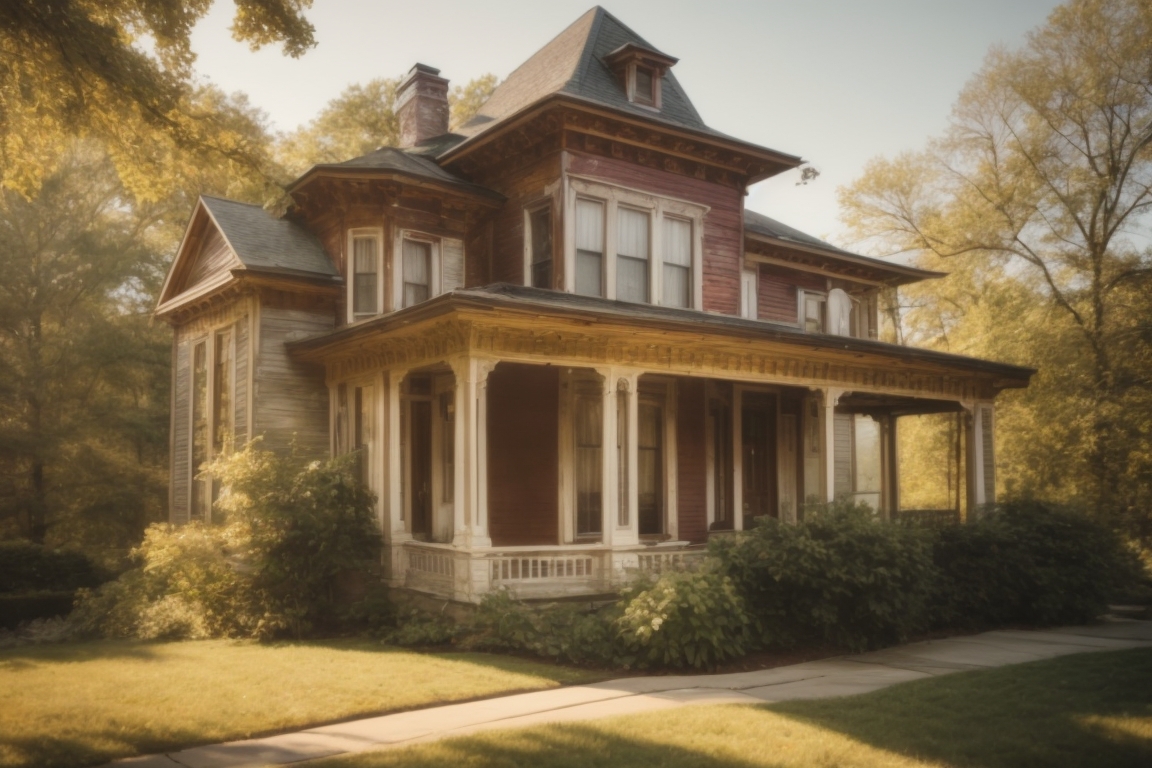
Protecting Ohio’s Historical Architecture with Sun Control Window Film
In Ohio, the preservation of historic residential architecture is a significant concern, given the state’s rich heritage and distinctive architectural styles ranging from Victorian to Colonial Revivals. An often overlooked yet crucial aspect is controlling the amount of sunlight that these venerable buildings are exposed to daily. The use of sun control window film in Ohio is emerging as an innovative solution, tailored not only to enhance the energy efficiency of these structures but also to protect their historical value from the damaging effects of UV rays.
This protective measure is vital as excessive sun exposure can lead to fading of interior details which are often historical artifacts themselves, such as woodwork, paintings, and tapestries. Additionally, the harsh sunlight coupled with seasonal extremes can accelerate the wear and tear of window frames and interiors, historically significant or otherwise. Without adequate protection, the relentless cycle of repair and restoration can become both costly and disruptive, potentially altering the original features that give these homes their unique character.
Sun control window film offers a practically invisible way to shield these properties while maintaining their aesthetic integrity. Yet, despite its benefits, many homeowners and preservationists in Ohio are still unaware of its value, focusing on more traditional methods of sunlight management that may not offer the same level of protection or energy efficiency. Raising awareness about this adaptive technology can help in maintaining the state’s treasured historic residences for future generations, combining modern innovation with classical charm.
The Challenge of Protecting Ohio’s Historic Homes with Modern Technology
Ohio’s abundant historic homes are treasures of architectural heritage, reflecting stories and styles from bygone eras. However, these beautiful structures face a modern dilemma: how to embrace contemporary technologies without compromising their historical integrity. The primary issue centers around integrating sun control window film into these residences. While the technology offers substantial benefits like energy efficiency and UV protection, its application must be carefully considered to maintain the visual and structural authenticity of historic homes.
Preservationists and homeowners alike grapple with the challenge of updating these aged structures with new materials that adhere not only to aesthetic standards but also to the strict regulations often associated with historically significant buildings. This introduces a complex layer of decision-making in maintaining the delicate balance between preservation and modernization.
Startling Facts About Sun Exposure in Ohio Homes
In Ohio, residential windows are a significant point of vulnerability, with over 60% exposing interiors to extensive sun damage. Notably, UV rays passing through unprotected windows cause 40% of all fading in fabrics, artworks, and furniture. Furthermore, untreated windows in Ohio’s homes can lead to interior temperatures that are up to 15°F higher, massively increasing reliance on air conditioning and inflating energy costs during the sunnier months.
The Problem with UV Damage in Ohio’s Historic Homes
In the bucolic charm of Ohio’s historic neighborhoods, residents face a unique challenge that often goes overlooked: the intense and damaging effects of the sun’s ultraviolet (UV) rays. This issue is not just about discomfort from sun exposure but extends to significant damage to interiors and increased energy costs, all of which pose a problem for homeowners vested in preserving the beauty and value of their properties.
Many of Ohio’s historic homes feature original woodwork, vintage fabrics, and antique furnishings, all of which are highly susceptible to fading and deterioration when exposed to sunlight over time. This gradual damage can severely affect the aesthetic appeal and historical integrity of these interiors. Consequently, residents may find themselves frequently embarking on costly repairs and replacements that could otherwise be mitigated.
Furthermore, the onslaught of UV rays through inadequately protected windows can lead to an increase in indoor temperatures. During Ohio’s warmer months, this not only makes living spaces uncomfortably hot but also leads to higher energy consumption as air conditioning units work overtime to cool these homes. The resultant rising energy bills thereby increase the household’s financial burden—a decidedly practical problem with significant economic implications.
This issue of UV damage in Ohio’s historic homes is a pertinent problem affecting both the preservation of historical heritage and the contemporary living conditions of its residents. The need for a reliable and efficient solution is evident, as the continuing degradation of these cherished properties could lead to irreversible damage and substantial financial loss over time.
Understanding the Problem: Ohio’s Historic Homes and Sun Damage
In Ohio, characteristics unique to its historic residential architecture pose specific challenges in maintaining the structural and aesthetic integrity of homes. A major issue is natural light management — particularly, the harmful effects of prolonged exposure to sunlight. This exposure can lead to faded fabrics, artworks, and even affects the longevity and appearance of hardwood floors and other delicate interior details commonly found in older homes.
Moreover, excessive sunlight contributes to significant temperature fluctuations inside these homes, which not only compromise comfort but also drive up energy costs due to increased use of air conditioning. The combination of deteriorating interiors and higher energy usage underlines an urgent need for an effective solution to manage sunlight in a way that is both effective and respectful to the historical essence of the architecture. Understanding these problems is vital for homeowners who wish to preserve the value and beauty of their heritage homes while enhancing livability.
Sun Control Window Film Success in an Ohio Landmark
In Cincinnati, Ohio, a historic house museum faced issues with UV damage and fading artifacts due to extensive sun exposure through its vintage windows. The installation of sun control window film dramatically reduced UV penetration, preserving the integrity of priceless artifacts and interiors without altering the building’s historic appearance. This practical enhancement not only ensured the longevity of the museum’s collections but also improved the comfort levels for its frequent visitors, showcasing the effective and non-invasive nature of sun control window films.
Consequences of Neglecting Sun Control Window Film in Ohio’s Historic Homes
Overlooking the integration of sun control window film in Ohio’s historic residential architecture can have detrimental effects on both the structure and its inhabitants. Ignoring this essential update can lead to several preventable issues that not only compromise the living conditions but also impose financial burdens in the long run.
Firstly, without sun control window film, there is a substantially increased exposure to UV rays, which can fade valuable interiors, such as hardwood floors, artwork, and furnishings. This degradation can reduce the aesthetic appeal and historical value of the property, potentially resulting in costly restorations.
Moreover, excessive sunlight can elevate indoor temperatures, leading to discomfort during Ohio’s warmer months and an increased dependence on air conditioning. This not only affects utility costs but also places additional stress on HVAC systems, hastening their wear and tear.
Finally, the preservation of the architectural authenticity of historic homes is crucial. By ignoring the protective benefits of sun control window film, homeowners might face stringent challenges in maintaining the structural integrity of these venerable buildings. Not addressing this need can diminish the home’s historical significance and overall value.
Enhancing Home Value with Sun Control Window Film
Incorporating sun control window film in Ohio’s historic homes can significantly impact homeowners’ economic security. By reducing heat gain from sunlight, these films help maintain consistent interior temperatures, leading to considerable savings on energy bills. Over time, these cost reductions can be substantial, allowing homeowners to allocate their finances more freely elsewhere. Additionally, the window film protects furnishings and flooring from UV damage, preserving the interior’s aesthetic appeal and extending its lifecycle, thereby bolstering the property’s market value.
Revamping Ohio’s Historic Homes with Sun Control Window Film
In the architectural charm of Ohio’s historic residences, homeowners often face the dual challenge of preserving the authenticity of their properties while enhancing their functionality and comfort. Sun control window film emerges as an innovative solution, adeptly addressing these concerns by blending seamlessly into the historical aesthetics while offering modern benefits.
Sun control window film is specifically designed to mitigate the harsh effects of the sun, which can be particularly detrimental to older homes where fading of original woodwork, fabrics, and artwork is a concern. This type of window film significantly reduces UV exposure, which is responsible for the discoloration and deterioration of interior furnishings—a frequent issue in these beautiful, yet vulnerable, historical homes.
Moreover, the energy efficiency provided by sun control window films is of great value to owners of historic Ohio homes. These films help maintain a stable indoor temperature, reducing the strain on heating and cooling systems, which is crucial in structures that often lack modern HVAC efficiency. This not only aids in preserving the structural integrity and historical features by preventing excessive expansion and contraction caused by temperature fluctuations but also leads to noticeable savings on energy bills.
The application of sun control window film does not detract from the visual appeal of historic windows, as it offers a subtle finish that does not alter the appearance. This is particularly important in maintaining the period look that is essential to the architectural heritage of such homes. Thus, homeowners can enjoy both the preservation of their home’s historic charm and an increase in comfort and protection, positioning sun control window film as an ideal choice for enhancing Ohio’s historic residential architecture.
Sun Control Window Film: Enhancing Ohio’s Historic Homes
Sun control window film presents an ideal solution for owners of historic homes in Ohio, who wish to preserve the aesthetic integrity and improve the usability of their living spaces. This innovative product addresses several problems commonly faced by traditional residences, particularly those with unique architectural features typical of historic buildings.
Traditional window treatments can detract from the original design elements of historic homes, whereas sun control film is nearly invisible, maintaining the exterior look while providing vital protection. It reduces glare and blocks up to 99% of harmful UV rays that can fade furniture, artworks, and fabrics. This is particularly important in preservation-focused renovations, where maintaining the condition of the home’s interior is paramount.
The installation of sun control film also enhances energy efficiency, which can be a significant challenge in older homes not originally designed with modern insulation standards in mind. By preventing excessive heat gain in summer and retaining warmth in the winter, this film helps regulate indoor temperatures, leading to lower utility costs and a more comfortable living environment.
Benefits and Features: Integrating Sun Control Window Film in Ohio
Sun control window film offers Ohio homeowners several significant benefits, particularly when applied to historic residential properties. First, the film reduces incoming UV rays, protecting interiors from fading and reducing the strain on cooling systems during hot summer months. It enhances privacy without sacrificing natural light, maintaining the aesthetic integrity of historic windows. Additionally, this window film can increase the energy efficiency of older homes, leading to potentially lower utility bills. Its versatility in both function and aesthetics makes it an ideal choice for preserving and enhancing Ohio’s historic homes.
Success Stories: Embracing Sun Control Window Film in Ohio’s Historic Homes
Ohio’s historic homes stand as testaments to architectural beauty and regional history. Integrating modern elements like sun control window film is done with care, aiming to preserve these properties while enhancing livability. One remarkable success story involves the Thompson residence in Cleveland, Ohio, a charming Victorian home faced difficulties with excessive sunlight fading interior decor and causing uneven heating throughout the structure. With the installation of the sun control window film, the Thompsons noticed a dramatic change. Their home’s interior is now protected from damaging UV rays, and the ambient temperature has become more comfortable and manageable throughout the seasons.
Another testimony comes from the Franklin household in Cincinnati. Located in a bustling historic district, their early 20th-century bungalow struggled with high energy costs due to poor insulation and excessive solar gain. After incorporating sun control window films, they reported a significant reduction in their cooling costs during summer months and a noticeable decrease in sun glare, which used to hamper their enjoyment of the living spaces. Delighted by these improvements, the Franklin family has become a strong proponent of this simple yet effective solution.
Case Study: Enhancing Light and Protecting Interiors in Ohio’s Historical Homes
In a charming Cleveland suburb, a Victorian home faced severe fading of its antique furniture due to extensive sunlight exposure. The homeowners decided to install sun control window film, which not only protected the valuable interiors from UV damage but also significantly reduced glare and heat. This simple upgrade preserved the historical aesthetic of the home while enhancing indoor comfort. This case study exemplifies the dual benefits of sun control window film in maintaining the integrity and comfort of historical Ohio residences. Inspired by this success, consider integrating sun control window film into your home to protect and enhance your living space. Contact us today to learn more!