The Challenge of Energy Efficiency in Ohio’s Architectures
In Ohio, a state known for its rich history and distinctive architecture, a significant challenge arises when it comes to maintaining energy efficiency within its landmark buildings. As Ohio continues to experience diverse weather conditions, from freezing winters to humid summers, the need for effective insulation becomes paramount. One specific area of concern involves outdated window installations, which contribute significantly to energy loss. Notably, many of these older buildings lack low-e glass film, an essential component in modern energy-efficient design.
Traditional glass windows in many of Ohio’s historic structures are not equipped with modern technologies that prevent heat transfer. This shortcoming leads not only to increased energy bills but also to a greater environmental footprint for the state. As utility costs climb and environmental pressures increase, the absence of low-e glass film becomes a glaring issue. It presents a dual challenge of preserving the aesthetic integrity of historical architectures while enhancing their functionality to meet today’s energy standards.
The lack of low-e glass film results in significant energy inefficiencies. During winters, heat escapes easily through windows without low-e coatings, forcing heating systems to work harder, which in turn increases energy consumption and costs. Conversely, in the summer, the same inefficient windows allow excess heat to enter, undermining the effectiveness of air conditioning systems and leading to uncomfortable indoor environments. These conditions not only strain household budgets and energy resources but also complicate the preservation efforts of these historical sites in Ohio.
Ohio’s architectural heritage is thus at a crossroads, where the demand for modern energy efficiency meets the need to maintain historical authenticity. The challenge lies in implementing solutions that can bridge this gap without compromising on either front.
Understanding the Roots of Inefficiency with Traditional Glass in Ohio
The evolution of architectural glass in Ohio reveals a significant challenge rooted in the use of traditional glass in buildings. Initially, common glass installations offered minimal insulation, which became problematic given Ohio’s climate with its cold winters and hot summers. The fundamental issue with traditional glass lies in its poor thermal performance. This type of glass typically allows a considerable amount of heat transfer, which means heat escapes during the winter and excess heat enters during the summer.
This inefficiency in thermal regulation necessitates higher energy consumption for heating and cooling systems to maintain comfort levels inside buildings. Over the long term, not only does this lead to increased utility costs, but it also contributes to greater environmental strain through elevated carbon emissions. The continuous use of such inefficient glass is deeply entrenched in the architectural history and construction practices in the region, highlighting a systemic problem that goes beyond mere preference or choice.
Heightened Energy Costs: The Consequence of Overlooking Low-E Glass Film in Ohio
In Ohio, failing to utilize low-e glass film in architectural constructions can lead to significantly higher energy bills. These films are designed to minimize heat transfer, helping maintain interior temperatures irrespective of external weather conditions. Without this technology, buildings suffer increased thermal gain during summer and heat loss in winter, forcing HVAC systems to work overtime. This not only spikes energy consumption but also escalates utility expenses. Ignoring the installation of low-e glass film not only impacts financial resources but also contributes to increased carbon footprints, a concern for environmentally conscious residents.
The Hidden Dangers of Substandard Window Films
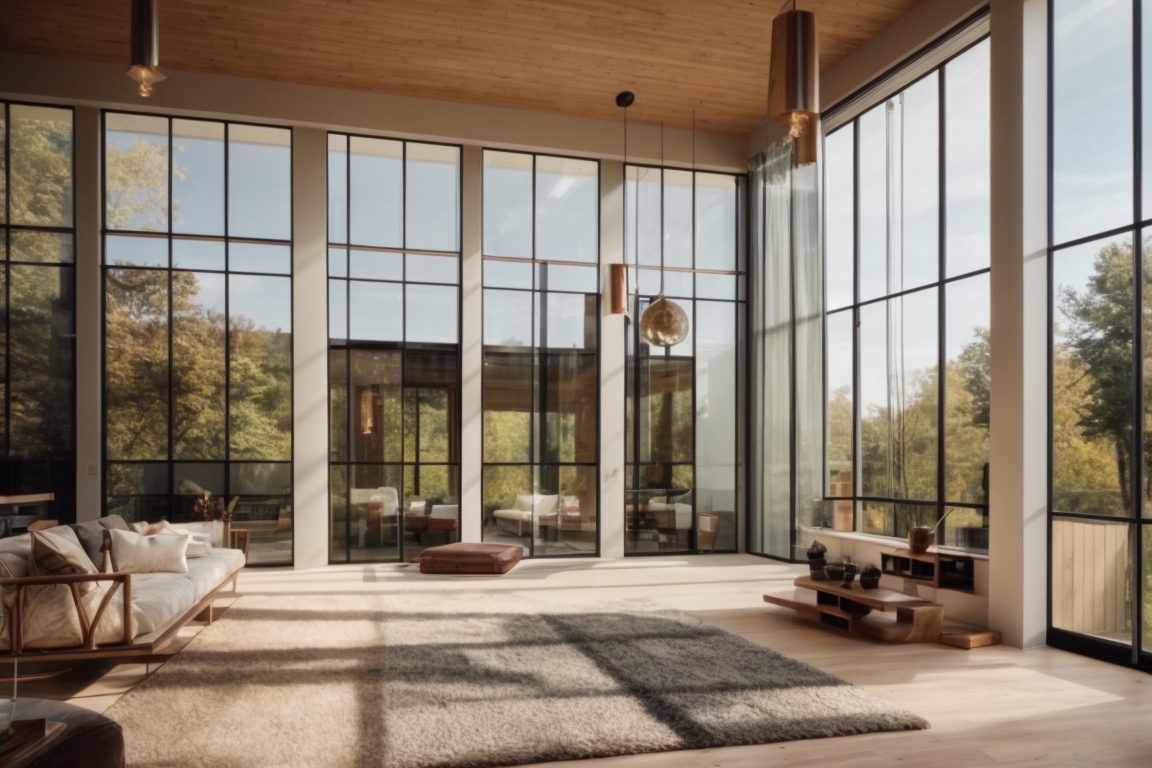
Imagine spending a tranquil Ohio winter morning in your sunlit living room, appreciating the light while remaining blissfully unaware of the costly discomfort lurking around the corners of those inadequately equipped windows. Standard or outdated window films may have served well in the past, but they fall dramatically short in the face of modern low-e glass films, especially during Ohio’s unpredictable weather patterns.
The existing thin, barely-there window coatings do little to prevent the escape of heat or block the UV rays that progressively degrade your furnishings and increase your energy bills. Every moment that sunlight streams through inferior films, it chips away at the sanctity and efficiency of your home. This not only entails a significant financial drain but also an ongoing compromise of comfort and energy efficiency.
This growing issue aggravates as the traditional window films continue to underperform, causing an upsurge in heating and cooling costs. These escalating expenses gnaw at your monthly budget, tightening its constraints. The inefficient energy consumption isn’t merely a dent in your wallet but also an undetected assailant of your peaceful living environment, steadily transforming your home from a place of relaxation to a source of constant concern and discomfort.
The problem doesn’t stop at personal distress; it extends to a broader environmental impact. The increased energy usage contributes to larger carbon footprints, pushing against our collective responsibility for sustainable living. With every window pane that lacks proper low-e glass film, your home in Ohio becomes a small yet significant part of a larger, more troubling environmental predicament.
The Urgent Need for Low-E Glass Film Adoption in Ohio
In Ohio’s architectural sphere, the implementation of low-e glass film is not just beneficial; it’s becoming increasingly urgent. Ohio experiences a wide range of weather conditions throughout the year, from scorching summers to freezing winters. This climate variability places a significant strain on building energy efficiency, elevating the importance of installing low-e glass film sooner rather than later.
The urgency is further intensified by the rising energy costs and the growing awareness of environmental impact. Buildings that lack energy-efficient installations like low-e glass film consume more power, leading to higher utility bills and increased carbon footprints. Delay in adopting this technology can result in unnecessary financial strain and detrimental environmental effects. Therefore, timely intervention with low-e glass film is crucial, not only for cost savings but also for contributing towards a sustainable future.
Embracing Efficiency with Low-E Glass Film in Ohio
Imagine your Ohio home not just as a place of comfort, but as a beacon of energy efficiency and cost savings. Low-E glass films offer a logical solution, significantly reducing energy bills by minimizing heat loss in winter and heat gain in summer. This technology not only conserves energy but also aligns with environmental sustainability efforts in Ohio, making it an ideal choice for the eco-conscious homeowner. By investing in Low-E glass film, you’re choosing a smarter, more economical way to protect and enhance your living space.
Low-E Glass Film—A Clear Advantage for Ohio Homes
When it comes to enhancing the energy efficiency and comfort of Ohio homes, low-e glass film stands out as a premier solution. Installing low-e glass film is not just a home improvement—it’s a strategic upgrade for any homeowner looking to optimize their living environment.
As Ohio experiences diverse weather conditions, ranging from blistering summers to frigid winters, low-e glass film provides a year-round benefit. This innovative film technology is specifically designed to minimize heat transfer, helping maintain a comfortable indoor temperature regardless of the season. It’s more than a mere window treatment; it’s an essential upgrade tailored for the Ohio climate.
Moreover, the low-e glass film’s ability to block harmful UV rays protects not only your family’s health but also your furnishings from fading. The film strengthens your windows, enhancing security and adding an extra layer of protection against break-ins—an invaluable benefit for ensuring peace of mind.
Recognizing the importance of environmental sustainability and cost savings, low-e glass film rises as the clear frontrunner for homeowners in Ohio. This technology not only reduces the reliance on heating and cooling systems but also significantly cuts energy costs, proving its weight in gold.
For homeowners in Ohio looking to elevate their property’s performance and aesthetics, low-e glass film is a logical, stylish, and cost-effective decision. It is more than just an investment in your home—it is a commitment to higher living standards and energy efficiency. Let low-e glass film transform your living space into a model of modern efficiency and comfort.
Enhancing Energy Efficiency with Low-E Glass Film in Ohio
So why is Low-E glass film a pivotal solution for buildings in Ohio? Essentially, its inherent properties make it an ideal candidate for addressing energy efficiency and comfort issues prevalent in Ohio’s varying climate. Low-E, or low-emissivity, glass film is designed to minimize the amount of infrared and ultraviolet light that passes through glass without compromising the amount of natural light that enters. This innovative film helps regulate indoor temperatures, reducing the reliance on heating in the winter and air conditioning in the summer.
The application of low-E glass film in Ohio’s architectural landmarks and residential buildings can drastically cut down energy consumption. It reflects the building’s interior heat back inside during colder months, while repelling the external heat during hot seasons, maintaining comfortable indoor environments year-round. In addition to its insulation benefits, low-E glass film also protects against UV rays, which helps prevent fading and damage to fabrics, artwork, and furniture.
This makes low-E glass film not just a practical upgrade for energy savings and environmental sustainability, but also an investment in prolonging the aesthetics and lifespan of interior spaces. Adopting low-E glass film is a strategic move for Ohio’s homeowners and businesses alike, enhancing both comfort and cost-effectiveness in building maintenance.
Unseen Benefits of Low-E Glass Film
Beyond the energy efficiency and comfort improvements, low-e glass film in Ohio offers several lesser-known advantages. It significantly reduces the amount of UV light that enters your home, which helps prevent the fading of fabrics, furnishings, and artwork. Additionally, the film provides an added layer of security since it makes glass more shatter-resistant. This not only means improved safety from accidental breakages but also offers a subtle deterrent against break-ins. Unrelated to its thermal properties, the aesthetic appeal of low-e glass film is remarkable, enhancing the overall look of your home without obstructing views.
Enhancing Comfort and Energy Efficiency with Low-E Glass Film in Ohio
Ohio’s seasons bring about a unique mixture of weather conditions, from chilling winters to humid summers, making energy efficiency and indoor comfort crucial for any building, whether residential or commercial. This is where the advancement and adoption of low-e glass films become not just beneficial but essential. Incorporating these films into your windows could well be considered a forward-thinking approach to tackling these climatic challenges effectively.
Low-e glass film has swiftly moved from being a new technology to a must-have for anyone looking to enhance thermal regulation within their spaces. Why? Because these films are ingeniously designed to minimize the amount of ultraviolet and infrared light that comes through your glass without compromising the visible light you receive. This balance keeps homes warmer during harsh Ohio winters and cooler during sweltering summers, reducing the need for excessive heating and air conditioning.
The historical buildings adorned with this technology in Ohio not only stand as a testament to architectural beauty but also embody the intelligence of integrating modern technology with classic design. This strategic move preserves the aesthetic integrity of the property while significantly ramping up its energy efficiency and comfort level.
Those who choose to enhance their windows with low-e glass film are often seen as prudent, equipped not just to enjoy immediate comfort but also to benefit from reduced energy bills in the long term. While the technology speaks volumes about its capabilities, the implication of its usage is that it represents a smart, economical, and proactive approach to living and working in Ohio’s dynamic climate. This isn’t merely adopting a new product—it’s about being ahead of the environmental curve, securing comfort, efficiency, and peace of mind for tomorrow.
Embrace Energy Efficiency with Low-E Glass Film in Ohio
Step into the future of home comfort and energy efficiency in Ohio with our advanced low-e glass film. Don’t let another day pass by with high energy bills and inadequate home insulation. Contact us today, and we will help you enhance your living or workspace with low-e glass film that not only preserves your interior comfort but also saves you money. Make the smart decision now for a better tomorrow. Upgrade to low-e glass film today!