The Hidden Heat Hazard in Ohio’s Architecture
Within the vivid landscapes and bustling cities of Ohio, a silent challenge is brewing behind the gleaming facades of its architecture. This issue is not immediately visible to the naked eye, yet it affects countless residents daily, particularly during the peak of summer and the depths of winter. The problem at hand involves the extensive use of traditional glass in buildings, which, while contributing to Ohio’s modern and aesthetic appeal, falls short in combatting the adverse effects of seasonal temperature fluctuations. This issue is further exacerbated by the lack of low-e glass film in Ohio’s architectural designs.
Traditional glass windows, for all their appeal and function, act as thermal bridges, allowing heat to pass through easily. In summer, this means that buildings can overheat, requiring air conditioning systems to work overtime to maintain comfortable indoor temperatures. Conversely, in winter, the same windows allow precious heat to escape, leading to increased heating costs and less energy-efficient homes and workplaces. This not only puts a financial strain on Ohio residents and businesses but also contributes to the larger problem of energy waste and environmental impact.
The absence of low-e (low emissivity) glass film, a technology designed to minimize the amount of ultraviolet and infrared light that can pass through glass without compromising on light transmission, is a glaring oversight in Ohio’s architectural considerations. Without this protective layer, buildings are at the mercy of the elements, facing higher energy bills, decreased comfort, and a larger carbon footprint. As a result, while Ohio continues to build and innovate, the choice of window treatments remains a pivotal yet overlooked aspect of sustainable and efficient architectural design.
Understanding the Problem: The Struggle Against Energy Loss in Ohio’s Architecture
In Ohio, the architectural beauty comes at a price that many might not immediately recognize. The use of extensive glass in modern buildings, while aesthetically appealing, introduces a significant challenge in terms of energy efficiency. This problem stems from the basic properties of conventional glass, which, by its nature, is a poor insulator. During the winter months, heat escapes easily through glass panels, leading to increased heating demands. Conversely, in the summer, the same glass allows excessive heat to enter, skyrocketing cooling needs.
The root of the issue lies in the thermal transfer properties of standard glass used in buildings. Without any form of energy-efficient coating, such as low-e glass film, glass does little to prevent the transfer of heat. Over time, these inefficiencies contribute to a larger scale problem of increased energy consumption and higher utility bills for Ohio’s residents and businesses. The constant cycle of losing and gaining heat not only strains HVAC systems but also contributes to greater environmental impact through increased carbon emissions.
Energy Costs and Comfort: The Immediate Impact of Overlooking Low-E Glass Film in Ohio
Without Low-E glass film, Ohio residents face not only discomfort from the intense summer heat and cold winter drafts but also significantly higher energy bills. This specialized film plays a crucial role in insulating buildings, keeping indoor temperatures more stable and comfortable. By neglecting this technology, you may be subjecting your home or office to increased energy consumption—as your HVAC system works overtime to compensate for the loss of heat in the winter and fights to keep cool air in during the summer. This direct impact on your pocketbook and daily comfort is an immediate consequence of overlooking the benefits of Low-E glass film in Ohio’s variable climate.
The Menace of Energy Inefficiency in Ohio’s Homes
As you look around your beautiful Ohio home, soaked in natural light and warmth, a hidden issue is steadily escalating, one that directly affects your comfort, your energy bills, and even your carbon footprint. This unseen foe? Poor thermal insulation due to standard glass windows without low-e glass film.
Consider the chilling reality for a moment. The warmth that you relish during Ohio’s icy winters and the coolness you seek in the blazing summers could be seeping out of your windows, inch by inch, day by day. With energy prices on a continual rise, this inefficiency is not just about discomfort—it’s a relentless drain on your finances, as every degree on the thermostat unnervingly nudges up your energy bill.
But the cost isn’t just monetary. The environment suffers too. Higher energy usage means higher carbon emissions, contributing to a warmer planet. Your single household may not seem like much in the grand scheme, but when combined with millions of others, it’s a significant problem. This situation sparks a chain reaction, further exacerbating extreme weather conditions right here in Ohio, from blistering heatwaves to frigid cold snaps, making the need for energy even more desperate and the cycle even harder to break.
The agitation is not just about the energy inefficiency but the fact that this problem, though insidious, is entirely solvable—and you are yet to act. The longer you wait, the more you pay, both in terms of finances and environmental impact. The time to rectify this is slipping through our fingers like the heat escaping your home. Ignorance in this matter is not bliss; it’s a ticking time bomb for your wallet and the world.
Highlighting the Urgency: The Immediate Need for Low-E Glass Film in Ohio
In Ohio’s varied climate, the necessity for Low-E glass film transcends simple comfort within one’s home or office. With seasonal temperature swings bringing about intense summer heat and bitterly cold winters, the urgency for this modern technological solution cannot be overstated. Windows in Ohio without Low-E film are virtually gateways for energy loss, leading to skyrocketing utility bills as heating and cooling systems work overtime to compensate for inefficient glass.
This urgency is further heightened by the environmental impact. The excessive energy consumption not only strains personal finances but also contributes to a larger carbon footprint. Every moment delayed in adopting Low-E glass film technology is a missed opportunity to curb unnecessary energy waste, reduce utility costs, and contribute to environmental conservation efforts. The time to act is now, not just for the immediate financial relief and comfort, but for the long-term sustainability of Ohio’s vibrant cities and serene landscapes.
Keeping Ohio’s Architecture Pristine with Low-E Glass Film
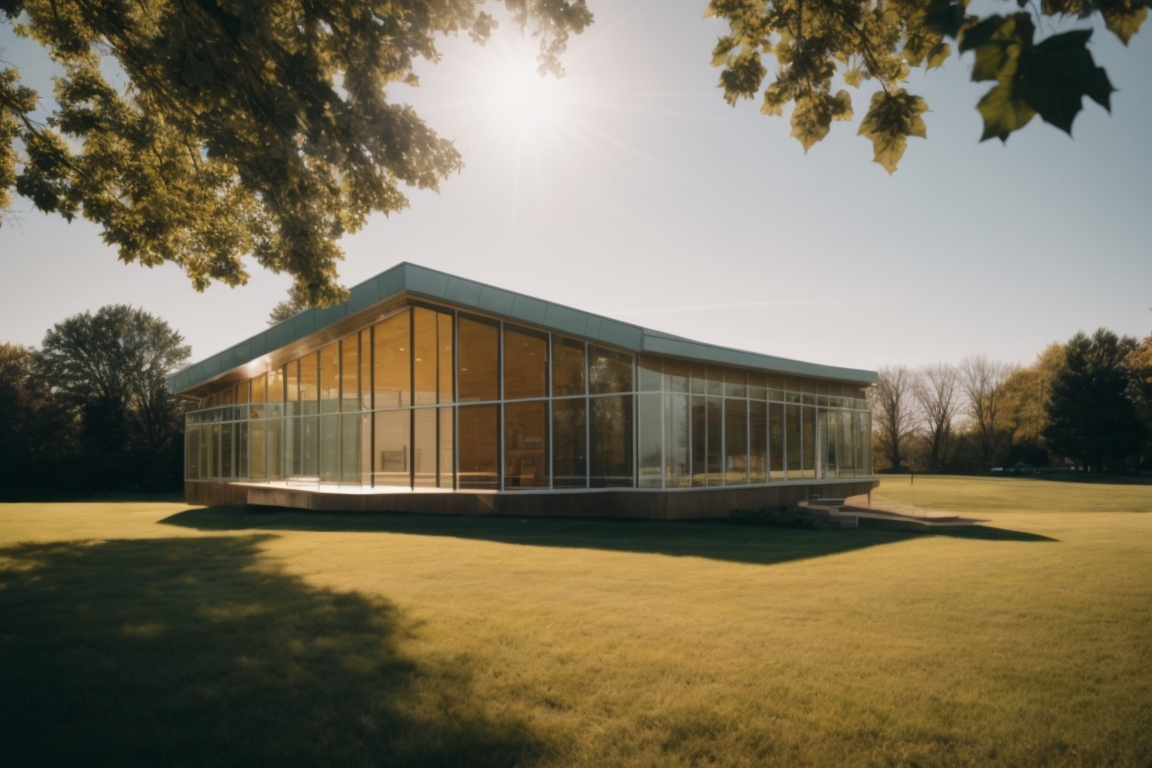
Imagine the elegance of Ohio’s architecture, shining under the sun without suffering from the harsh effects of UV rays and temperature fluctuations. This is not merely about maintaining the aesthetic appeal of your home or building; it’s about embracing technology that secures your comfort and protects your interiors from fading and heat damage. Low-E glass film not only shields your space from the outside elements but also optimizes energy efficiency, reducing your heating and cooling costs. It’s a logical choice for anyone looking to enhance their property’s performance and longevity while preserving the beauty of Ohio’s architectural heritage.
Embrace the Clarity: Low-E Glass Film for Ohio’s Architecture
If you’re navigating the architectural wonders of Ohio, where the blend of historic charm and modern innovation coalesces, the integration of Low-E glass film emerges not just as an option but as the quintessential solution. In a state where the climate can oscillate and the preservation of energy is pivotal, this innovative film stands as a beacon of efficiency.
Ohio’s distinctive seasons bring about a varied set of challenges for its buildings, from the sweltering summers to the freezing winters. Herein lies the brilliance of Low-E glass film—its ability to maintain internal temperatures, reduce energy bills, and protect interiors from harmful UV rays makes it indispensable for Ohio’s gleaming architecture.
Consider the Low-E glass film as more than a mere addition; envision it as the key to unlocking a realm of comfort, savings, and protection. This film adapts to your needs, reflecting heat during summer to keep interiors cool, and trapping warmth during winter, thereby enhancing the energy efficiency of Ohio’s buildings.
Moreover, the application of Low-E glass film is a testament to foresight. It’s a declaration that the health of the environment, the well-being of the building’s occupants, and the preservation of its interiors are priorities. With this solution, Ohio’s architecture does not just stand; it thrives, resilient against the elements and time.
In the quest for a sustainable, efficient, and protective solution to Ohio’s architectural challenges, Low-E glass film is not merely an alternative; it is the answer. As Ohio continues to embrace its architectural evolution, let us not overlook the role of Low-E glass film in safeguarding its future. It’s time to view our buildings not just as structures, but as sanctuaries, enhanced and protected by the prudent choice of Low-E glass film.
The Power of Low-E Glass Film in Ohio’s Modern Buildings
When it comes to solving the dilemma of maintaining aesthetic beauty while ensuring energy efficiency in Ohio’s architecture, Low-E (low emissivity) glass film stands out as a remarkable solution. This innovative film is engineered to control the transfer of heat through windows, making it an indispensable asset for both residential and commercial buildings in Ohio. By reflecting interior temperatures back inside during winter and blocking out the sun’s heat in the summer, Low-E glass film significantly reduces the workload on heating and cooling systems.
Moreover, this specialized glass coating is a game-changer for Ohio’s diverse climate, offering a year-round comfort and leading to substantial savings on energy bills. Besides its energy-saving prowess, Low-E glass film also filters out harmful UV rays, protecting interior furnishings from fading and degradation. This dual-action of energy efficiency and protection enhances the longevity and vibrancy of Ohio’s architectural marvels, making Low-E glass film a viable and valuable solution for sustainable, economical, and aesthetic building management.
Unexpected Perks of Low-E Glass Film Installation
In Ohio, choosing low-e glass film for your architectural projects brings benefits that surpass the primary goal of energy efficiency. This innovative solution not only lowers heating and cooling costs but also offers enhanced protection against UV radiation, thus preventing the fading of furniture, carpets, and artworks that are often the victims of direct sunlight exposure. Moreover, the application of low-e glass film contributes to noise reduction, creating a more tranquil and serene indoor environment. These perks, unrelated to its thermal management capabilities, make low-e glass film an indispensable asset in both residential and commercial settings, elevating the overall comfort and preservation of interior spaces.
Stepping Into the Future: The Wise Move to Low-E Glass Film in Ohio
Ohio’s architectural landscape is a testament to the state’s innovative spirit, featuring buildings that shimmer with the promise of tomorrow. Yet, this gleaming facade is not without its challenges. The fluctuating Ohio climate, with its harsh winters and warm summers, demands a versatile solution to ensure comfort, energy efficiency, and protection for these glass marvels. Enter low-e glass film, a beacon of modern technology, perfectly suited for Ohio’s unique environmental demands.
Adopting low-E glass film is not just about enhancing a building’s aesthetic appeal or reducing energy bills—though these are significant benefits. It’s about foresight. It’s about recognizing the inevitable impacts of weather and taking a step today that places you ahead of tomorrow’s challenges. Low-E glass film offers an intelligent shield, managing solar gain and loss, preventing UV damage, and maintaining optimal interior comfort without sacrificing the beauty of natural light.
Imagine, if you will, a future where our buildings not only stand as monuments to our architectural ambition but also as fortresses of sustainability and comfort. A future where the harsh glares of summer and the biting chills of winter are no match for the genius of Ohio’s infrastructure. This is not just an investment in a product; it’s a vote of confidence in the future—a future where the hassles of weather-induced discomfort and inefficiencies are tales of the past.
Integrating low-E glass film into Ohio’s buildings is a testament to intelligent planning and environmental stewardship. It’s an acknowledgment that while we cannot control the weather, we can certainly outsmart it. For those who seek to preserve the integrity and efficiency of their homes or buildings, looking into low-e glass film is a clear step forward. It’s not a call to immediate action, but a nudge towards considering how you want to face the future—protected, prepared, and ahead of the curve.
Transform Your Ohio Architecture with Low-E Glass Film
Embrace the future of Ohio’s architecture and elevate your buildings with the cutting-edge technology of Low-E glass film. Don’t let the opportunity to enhance energy efficiency, comfort, and aesthetic appeal pass you by. Now is the time to invest in the innovation that marries functionality with beauty. Contact us today to learn how Low-E glass film can redefine your space and make a lasting impact. Make the smart choice for your Ohio property—choose Low-E glass film.