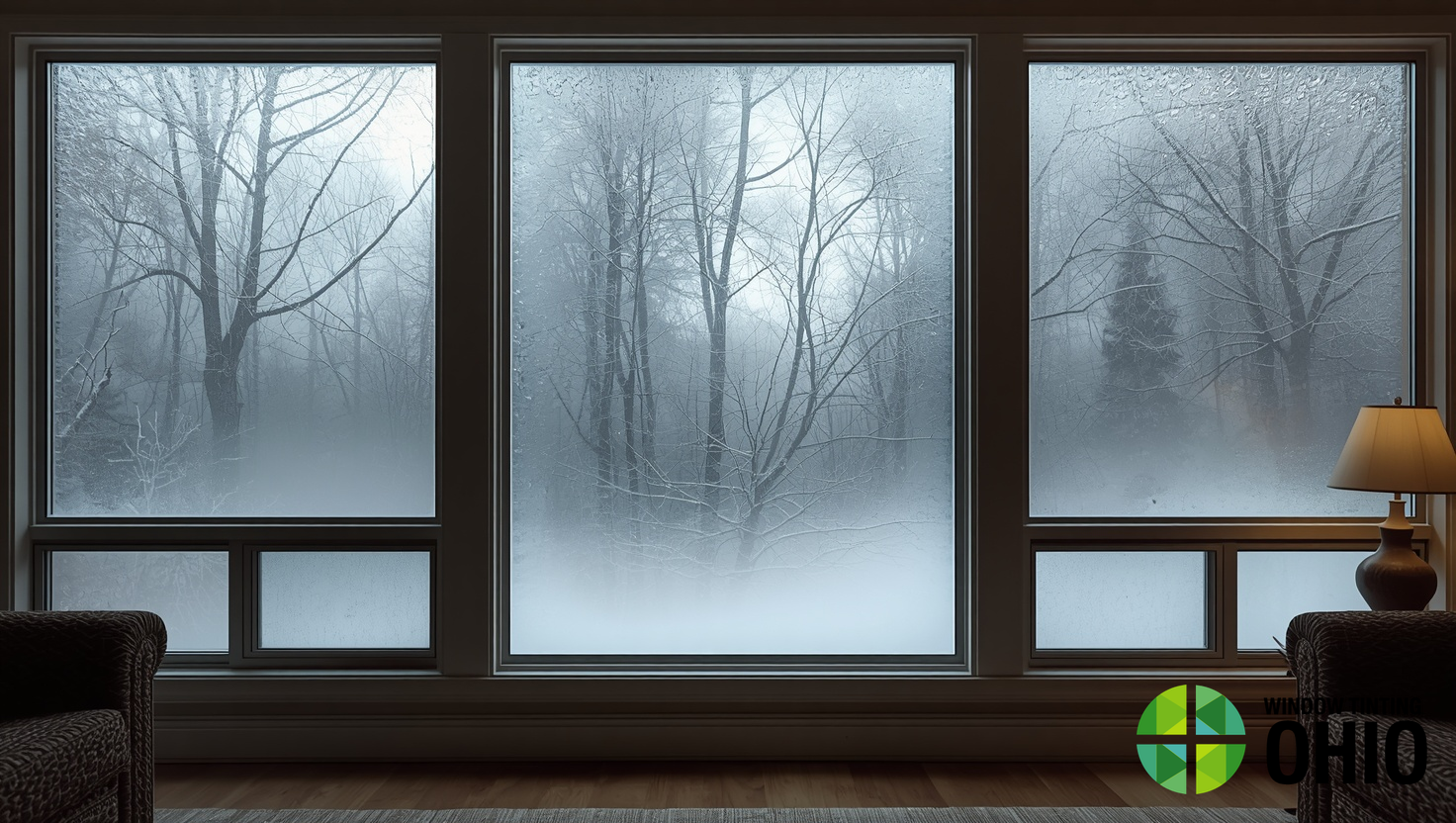
Ohio buildings take a beating from both sides of the calendar: damp Lake Erie winters that make glass feel like ice, and sticky summers along the I-71 corridor when the A/C never seems to catch up. Low-emissivity (Low-E) window film is a practical way to upgrade comfort and efficiency without tearing out your windows. For independent guidance, see the U.S. Department of Energy.
[Embed: https://www.youtube.com/embed/mT8osyvpTDc?feature=oembed]
When low-e window film in Ohio is selected correctly, it helps slow winter heat loss, reduces summer solar gain, and evens out room-to-room temperatures in everything from a 1920s Columbus bungalow to a glassy downtown Cincinnati office suite.
INFOGRAPHIC_PENDING_REVIEW: Missing infographic asset or upload failed
What Low-e Window Film Does
“Low-E” refers to low emissivity—how readily a surface gives off heat as infrared energy. A low-e window film adds an ultra-thin, nearly invisible layer that reflects certain infrared wavelengths back where they came from. In winter, that means more indoor heat stays indoors. In summer, more of the sun’s heat is rejected before it turns into that afternoon “hot spot” by the windows.
Many Ohio properties already have decent windows, but the weakest point is often still the glass. Adding low-e window film in Ohio can be the difference between a room that’s usable year-round and a room that’s only comfortable a few months at a time.
Why Ohio Buildings Benefit Most
Ohio’s climate swings are exactly where Low-E shines: long heating seasons, sudden cold snaps, and humid summers that push cooling systems hard. The performance boost is especially noticeable in older housing stock and in commercial buildings with large expanses of glass.
If any of these sound familiar, low-e window film in Ohio is worth a closer look:
- Cold rooms in winter near glass—especially north-facing windows or homes exposed to wind off open fields.
- Hot afternoon glare and heat on west- and south-facing windows (common in open-plan layouts and corner offices).
- Condensation on interior glass during cold spells in Cleveland, Akron, or along the lakeshore.
- Uneven comfort between floors—typical in Dayton and Toledo homes with older HVAC zoning.
Energy Performance You Can Measure
Low-E film isn’t just “it feels better.” High-quality architectural films publish numbers like U-value (heat transfer), Solar Heat Gain Coefficient (SHGC), and Total Solar Energy Rejected (TSER). Those metrics help you pick a film that matches how your building actually loses and gains heat.
For example, in the 3M™ Thinsulate™ Window Film CC40 product bulletin, performance data on single-pane clear glass shows:
- U-value improvement from 5.90 to 3.60 W/m²K, paired with a 39% heat loss reduction (typical lab values).
- 59% total solar energy rejected (TSER) and a listed SHGC (G value) of 0.41, supporting 50% heat gain reduction (typical lab values).
Those numbers matter in Ohio because you’re often paying for both heating and cooling across the year. The U.S. Department of Energy also includes window films among energy-efficient window coverings, noting their role in managing solar heat and improving comfort.
If your main goal is ROI, start with rooms or zones where the HVAC runs hardest: sunny family rooms, top-floor offices, west-facing conference rooms, or storefront glass that bakes under summer sun.
Comfort and Condensation Control
Comfort is usually the first benefit people notice from low-e window film in Ohio. By reducing radiant heat loss, the interior glass temperature can feel less “cold” in winter, which helps the whole room feel more stable—especially in spaces with lots of glazing.
Low-E performance can also help with condensation in two ways: it reduces the temperature difference that drives moisture to collect on glass, and it can make those early-morning cold snaps less brutal on the indoor side of the window. That’s valuable in Northeast Ohio winters, but it’s also helpful in spring and fall when humidity spikes and heating is still cycling.
Uv Protection and Interior Preservation
Sunlight doesn’t just heat rooms—it also fades flooring, furniture, rugs, artwork, and retail merchandise. Most high-quality architectural films are engineered to block the vast majority of UV radiation. When low-e window film in Ohio is part of a broader interior-protection plan, it helps you keep spaces brighter without paying the “fade tax” on everything near the windows.
If UV protection is a primary concern in a sunroom, nursery, or storefront, pair Low-E selection with guidance from an installer who can recommend the right visible light level and clarity for the space.
Choosing the Right Film for Homes and Businesses
Not every “Low-E” option is the same. The best match depends on the glass type, the direction the windows face, and whether your priority is winter insulation, summer heat rejection, or a balanced year-round improvement.
These are common scenarios where low-e window film in Ohio delivers strong results:
- Columbus neighborhoods with older windows (Clintonville, German Village, Grandview): film can improve comfort while keeping original character intact.
- Cincinnati homes with big west-facing glass in open layouts: balanced Low-E plus solar control can help tame late-day heat and glare.
- Cleveland-area offices and medical suites: more consistent comfort near perimeter glass can reduce thermostat battles and hot/cold complaints.
- Toledo retail and storefront glass: better temperature stability can support customer comfort and reduce HVAC strain.
It’s also worth deciding where you’ll start: a whole-building approach or a targeted plan for the worst-performing elevations. Many property owners begin with the most problematic zones, then expand once they feel the difference.
For statewide options and guidance, start with Energy Saving Window Film Ohio, then choose the right path for your property type: Residential Window Film Ohio or Commercial Window Film Ohio.
Professional Installation and What to Expect
Film performance depends on correct installation: surface prep, moisture control, clean edges, and curing time. Ohio’s seasonal humidity swings can affect dry times, so timing and indoor conditions matter—especially in spring and late summer.
A typical project includes an on-site evaluation of glass type and orientation, film selection by performance goals, and a clean, controlled installation process. If you want the step-by-step expectations, see the Window Film Installation Process page.
Get a Quote for Low-e Window Film in Ohio
Whether you’re dealing with frigid glass in January, relentless afternoon heat in July, or a building that just never feels consistent, low-e window film in Ohio can be a smart, lower-disruption upgrade. Reach out for a consultation and a performance-based recommendation tailored to your windows, your orientation, and your goals—then get a clear quote for installation anywhere in the state.