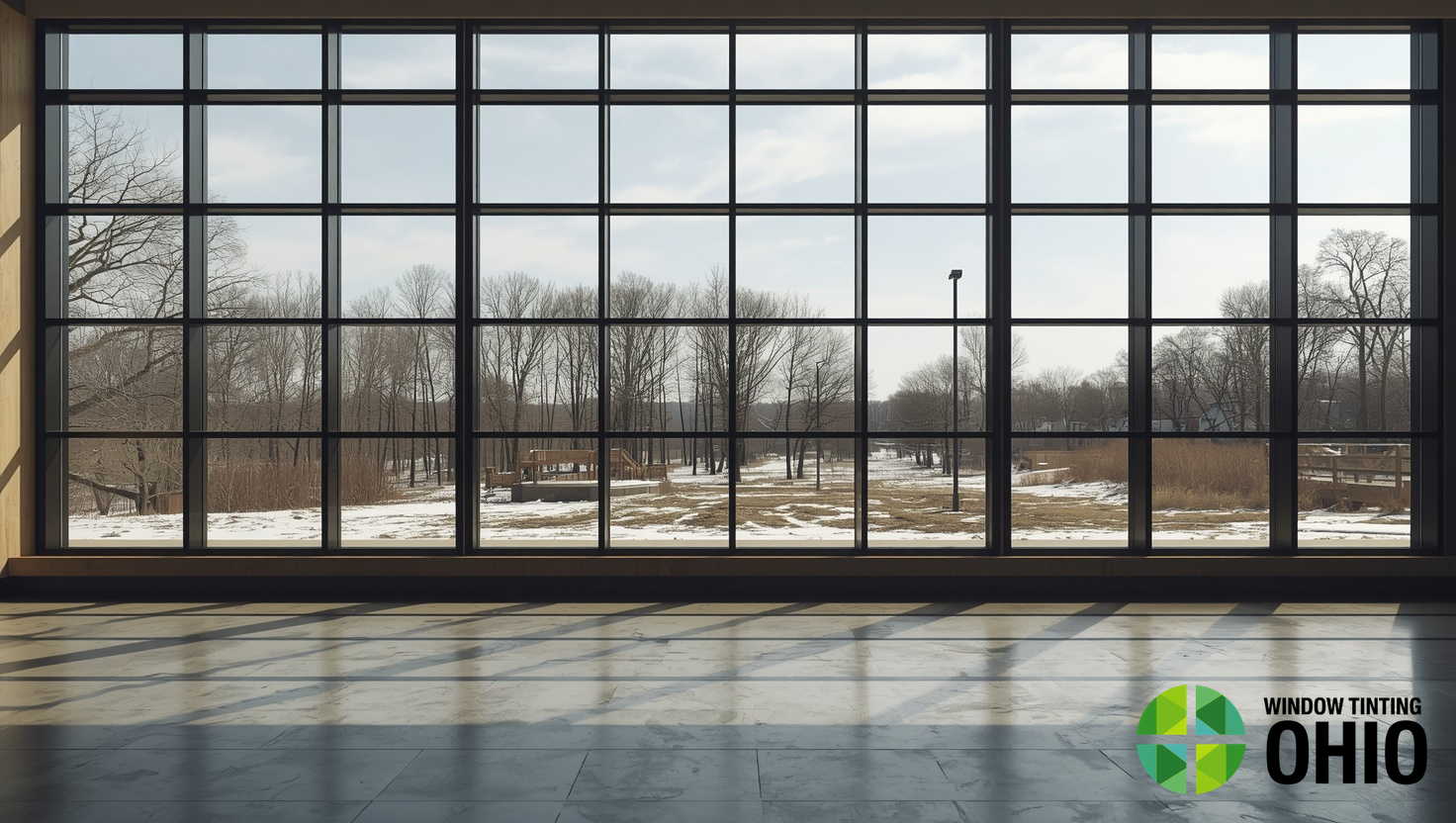
Choosing residential window film in Ohio is one of the simplest ways to make a home feel more comfortable through bright summers, gray winter days, and the temperature swings that hit from Cincinnati to Cleveland and everywhere in between. The right film can cut glare, reduce hot spots near big picture windows, help protect interiors from UV exposure, and improve everyday privacy without sacrificing natural light.
VIDEO_PENDING_REVIEW: NO_SAFE_MATCH
Why Ohio Homes and Buildings Benefit from Window Film
Ohio’s climate is rarely consistent for long. You might be battling intense afternoon sun on west-facing glass in Dublin or Westerville, then dealing with lake-effect glare and cold drafts around large panes in suburbs like Lakewood, Shaker Heights, or Mentor. In older neighborhoods with original wood windows—or newer builds with expansive glass—window film is often the practical “middle step” between living with the discomfort and investing in full window replacement.
For mixed-use properties and owner-occupied buildings, residential window film in Ohio can also make shared spaces more livable: lobbies, stairwells, glass entry doors, and conference rooms that overheat or feel exposed after dark.
Comfort Starts with Heat and Glare Control
Sunlight is great until it lands in the same spot every afternoon. In Columbus corridors like Polaris and Easton, open-concept layouts with big glass can create a “bright zone” that’s hard to use. In Cincinnati neighborhoods like Hyde Park and Oakley, afternoon glare can turn TVs and work-from-home setups into daily annoyances. In Toledo and Akron, low-angle winter sun can be just as blinding as July sunshine.
Residential window film in Ohio is commonly selected to address:
Hot spots: Rooms that run warmer than the rest of the house, especially on south- and west-facing glass.
Harsh glare: Eye strain in living rooms, home offices, and kitchens with strong afternoon exposure.
Uneven comfort: Seating areas near windows that feel too warm in summer or too cold in winter.
If glare is the main issue, film can often solve it without turning your home into a cave. Many modern architectural films are designed to reduce glare while keeping a clean, neutral look from both inside and outside.
Energy Performance Numbers Worth Paying Attention to
When the goal is efficiency, performance should be more than a vague promise. Film specs vary by product line and glass type, so the best approach is to match the film to the direction the windows face and how the room is used. A sunroom in Dayton’s Beavercreek area may need a different solution than a shaded front room in Cleveland Heights.
One strong option for year-round performance is 3M Thinsulate Climate Control Window Film, which is designed to help with both seasons. Manufacturer performance claims commonly cited for this line include up to 55% solar heat reduction in warmer months and up to 35% heat-loss reduction in colder months (actual results vary by window type and conditions). Those are meaningful numbers for Ohio homeowners who run A/C in July and heat in January.
For a deeper dive into how improvements like window attachments and films can support efficiency goals, the U.S. Department of Energy’s Energy Saver resources are a helpful starting point for understanding the bigger picture of heat gain, heat loss, and comfort.
To connect those benefits to your specific property, it helps to look at where you’re losing comfort (and paying for it). If your priority is reducing summer load, start with energy-saving window film options and target the windows that take the hardest afternoon sun.
Uv Protection and Fade Reduction for Interiors
Even when a room doesn’t feel hot, UV exposure can quietly take a toll on interiors. Flooring, artwork, upholstery, and wood finishes can fade or discolor over time—especially in bright, south-facing spaces and rooms with large glass. Many premium architectural films are designed to block up to 99% of UV rays, including options from brands like Llumar, which is a common benchmark homeowners ask for when the goal is interior protection.
That UV reduction is a major reason families choose residential window film in Ohio for nurseries, living rooms, and sunlit dining spaces—places where you want the daylight but don’t want the long-term damage that can come with it.
If interior protection is a priority for you, explore UV-focused window film benefits and consider where valuable finishes are most exposed during peak sun hours.

Heat rejection highlights for residential window film in Ohio in Ohio.
Privacy, Decorative, and Security Options for Real Ohio Lifestyles
Comfort and efficiency are only part of the decision. Many Ohio homeowners want more privacy in everyday life—especially on street-facing windows in neighborhoods with sidewalks and close setbacks, or in newer developments where homes sit closer together. Privacy films can help with daytime visibility, while decorative options can add style and diffusion to bathrooms, sidelights, and entryways.
For homeowners who want design-forward solutions without heavy curtains, Solyx and other decorative lines offer a wide range of finishes—from frosted and etched-glass looks to patterned films that work well in bathrooms and front-door glass. In spaces like finished basements, home gyms, or first-floor offices, residential window film in Ohio can provide a cleaner, more permanent privacy solution than blinds that stay closed all day.
Security-oriented films are another category some homeowners consider, especially for ground-level glass, patio doors, or properties with large panes facing a driveway. While film is not a substitute for locks and alarms, certain security films are designed to help hold shattered glass together and make forced entry more difficult.
What Professional Installation Looks Like
Good film performs best when it’s installed correctly. The biggest difference between a frustrating experience and a great one is surface prep, film selection, and detail work at the edges. Professional installation is especially important for large panes, multi-panel sliders, and windows with tight clearances.
Most projects follow a straightforward path: confirm goals (glare, comfort, UV, privacy), inspect glass type and condition, recommend film options that match the home’s exposure, then install with careful cleaning and controlled application. If you want a clearer picture of what happens on install day, review the window film installation process so you know what to expect for timing, curing, and post-install care.
It’s also normal for film to need a short curing period. During that time, slight haze or small moisture pockets can appear and then clear as the film settles. A reputable installer will explain the timeline and what “normal” looks like for your film type.
How to Choose the Right Film for Your Windows
There isn’t one best film for every home. The best choice depends on the direction the windows face, the glass construction, how the room is used, and how sensitive you are to changes in visible light. A west-facing great room in Powell may need stronger solar control than a shaded front room in Perrysburg or Sylvania.
When homeowners compare options for residential window film in Ohio, a few practical questions usually lead to the right solution:
Is the priority glare, heat, or both? Some films are tuned more for glare reduction, others for overall solar performance.
Do you want a nearly invisible look? Neutral films can keep the appearance clean while still delivering measurable performance.
Is winter comfort part of the goal? In many Ohio homes, year-round comfort matters as much as summer relief, making insulating-style options worth considering.
Do you need privacy at night? Daytime privacy and nighttime privacy are not the same problem; decorative or layered solutions may fit better than a simple reflective film.
For homeowners who want a quick overview of what film can and can’t do, the window film fact sheet is a helpful reference point before choosing a specific product.
And if you’re comparing residential and commercial needs for a mixed-use building, residential window film in Ohio can often be paired with solutions for office fronts and storefront glass. In that case, it’s worth also looking at commercial window film services so performance and appearance stay consistent across the property.
Get a Quote for Residential Window Film in Ohio
If you’re ready to make your home more comfortable, protect interiors, and reduce glare, a professional recommendation can quickly narrow the choices to the films that actually fit your windows and your goals. Reach out for a consultation and quote for residential window film in Ohio, and get a tailored recommendation for your home—whether you’re in Columbus, Cincinnati, Cleveland, Dayton, Toledo, Akron, or the surrounding suburbs.