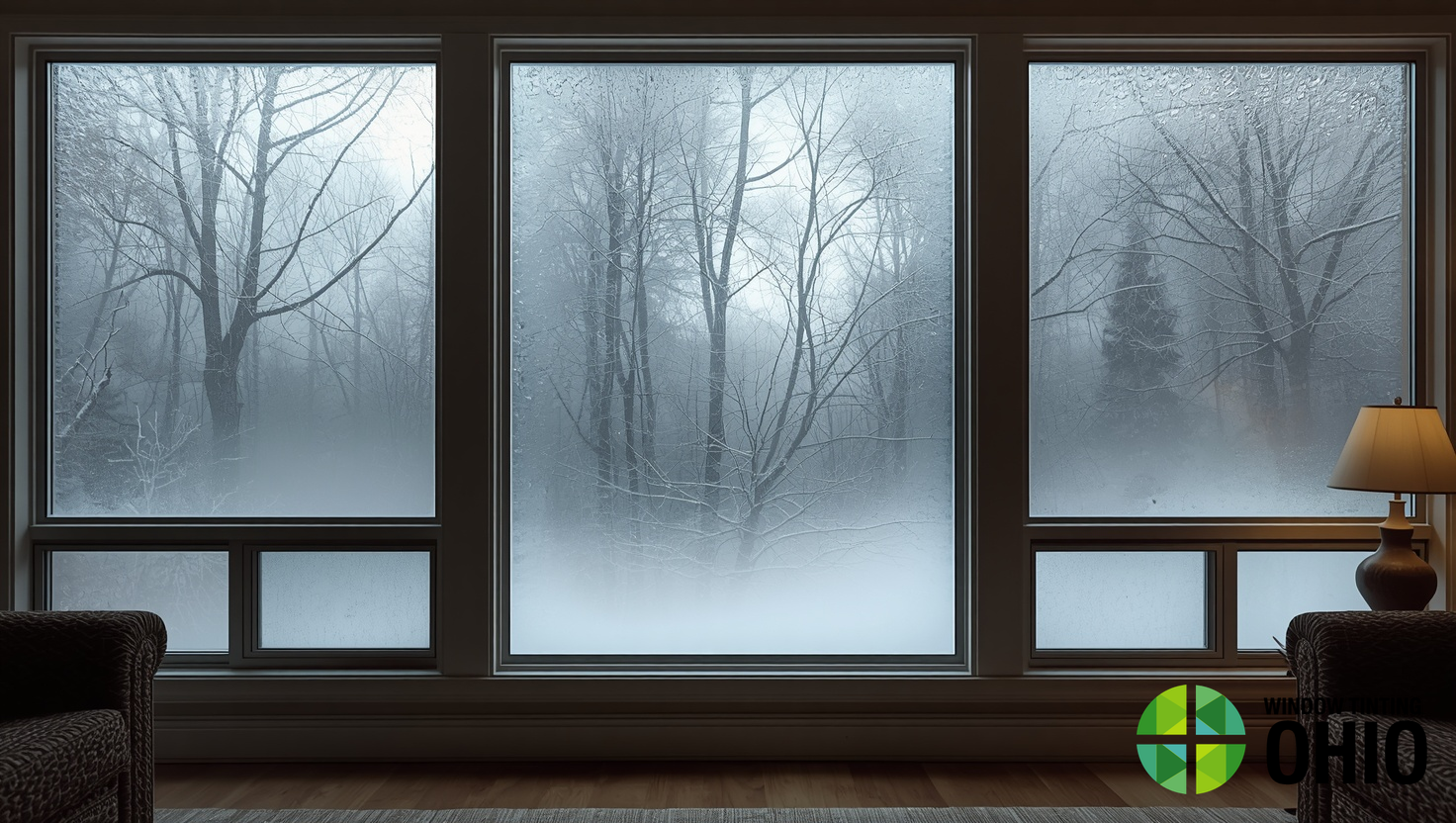
Ohio homes see a little bit of everything—bright summer sun, sticky humidity, lake-effect glare, and long heating seasons. If you’re considering residential window film in Ohio, the good news is you don’t have to replace your windows to make your rooms feel more comfortable, protect interiors, and reduce the strain on your HVAC.
VIDEO_PENDING_REVIEW: NO_SAFE_MATCH
Window film is a thin, durable layer professionally applied to existing glass. The right film can cut down glare in a west-facing family room, help even out hot and cold spots in older homes, and add privacy where you want daylight without the fishbowl effect.
INFOGRAPHIC_PENDING_REVIEW: Missing infographic asset or upload failed
Why Residential Window Film in Ohio Makes Sense Year-round
Across the state—whether you’re in a historic Cleveland Heights colonial, a newer build in Dublin, or a Cincinnati home with big picture windows—comfort problems often come down to the same thing: glass is a high-traffic “energy lane” for heat and light.
With residential window film in Ohio, homeowners typically target benefits like:
- Heat control in summer: Reduce solar heat gain that makes certain rooms noticeably warmer than the rest of the house.
- Lower glare: Make living rooms, home offices, and TV spaces easier to use during peak sun.
- UV protection: Help protect flooring, upholstery, artwork, and wood finishes from sun damage.
- More consistent comfort in winter: Improve the “cold window” feeling, especially on older, clear single-pane glass.
- Privacy where it matters: Bathrooms, sidelites, entry glass, and street-facing windows.
If energy savings are high on your list, it’s worth reviewing our energy-saving window film options to see which approaches best match your home’s glass and sun exposure.
How Window Film Works (without Changing Your Windows)
Modern architectural window film uses multiple layers—each designed to manage light and heat in a specific way. Depending on the film, it may:
- Reflect or absorb a portion of solar energy before it becomes indoor heat
- Reduce glare by lowering visible light transmission while still keeping the room bright
- Block ultraviolet light that contributes to fading
- Add a low-emissivity (Low-E) effect that helps reduce radiant heat transfer
That’s why residential window film in Ohio isn’t a one-size-fits-all product. A south-facing sunroom in Dayton needs different performance than a shaded, north-facing bedroom in Akron—especially when window type, glass thickness, and existing coatings are part of the equation.
Film Types Ohio Homeowners Choose Most
Choosing the right film starts with the problem you’re trying to solve. Here are the most common categories we install, and where they shine in Ohio homes.
Solar Control Film (Heat + Glare Reduction)
If your living room in Mason gets hammered by afternoon sun or you’re battling screen glare in a Westerville home office, solar control film is often the simplest, most noticeable upgrade. These films are engineered to reduce solar heat gain and glare while maintaining a natural view.
Low-E Insulating Film (Better Winter Comfort)
For older homes—especially those with clear single-pane glass—insulating films can make a big difference during Ohio heating season. Low-E films help reduce radiant heat transfer, which can improve comfort near windows and help the HVAC cycle more evenly.
UV Protection Film (Fade Reduction)
Sun damage is sneaky. It can show up as uneven fading on hardwood near a window, washed-out fabrics, or brittle plastics on window sills. Many high-quality films block up to about 99% of UV, which is why UV-focused film is a popular upgrade even when homeowners don’t want a darker look.
Safety & Security Film (Glass Retention)
Security films are designed to help hold glass together when impacted. They’re a practical option for sidelites, back doors, basement windows, or any glass that feels exposed—especially if you want added peace of mind without bars or bulky hardware.
Privacy & Decorative Film (Light Without the Fishbowl)
Street-facing bathrooms, entry glass, and homes on walkable blocks near places like German Village, Over-the-Rhine, or the Shaker Square area often benefit from privacy solutions. Decorative and privacy films can provide frosted, patterned, or textured looks while still letting daylight in.
What Performance Numbers Actually Mean
Marketing claims can be confusing unless you know what the metrics are measuring. Two numbers we like to translate into plain language are heat loss reduction (winter comfort) and total solar energy rejected (TSER) (summer heat control). UV and infrared metrics matter too, especially for fading and comfort.
Here are two concrete examples from films commonly specified for residential applications:
- 3M Thinsulate™ Climate Control 40 (CC40): On clear single-pane glass, published 3M data shows 39% heat loss reduction and 59% TSER (total solar energy rejected). See the 3M Thinsulate CC40 product bulletin (PDF) for the full spec table by glass type.
- 3M™ Prestige Series: 3M states the Prestige line can block up to 99.9% of UV rays and reject up to 97% of infrared light, helping reduce sun-related discomfort while maintaining a clear view. Details are on the 3M Prestige Series product page.
Those numbers aren’t abstract—used correctly, they help set expectations for residential window film in Ohio. If your goal is better winter comfort near drafty glass, insulating metrics matter most. If you’re trying to cool a sun-facing great room in July, TSER and infrared rejection are usually the priority.
What to Expect during a Residential Installation
Professional installation is where window film earns its reputation. The best results come from careful glass inspection, the right film choice for your window type, and a clean, controlled application.
A typical residential window film in Ohio project follows a straightforward flow:
- Consultation and measurement: We look at sun exposure, privacy goals, and how each room is used. Glass evaluation: Window film must be matched to the glass to avoid thermal stress issues—especially on certain double-pane units. Film selection: You’ll choose the look (clear, neutral, darker, frosted) and performance target (heat, UV, privacy, security). Prep and protection: Floors, trim, and nearby surfaces are protected; the glass is cleaned thoroughly. Installation: Film is cut, applied, and squeegeed for a smooth finish. Final walkthrough: You’ll get aftercare guidance and what to expect during curing.
- Consultation and measurement: We look at sun exposure, privacy goals, and how each room is used. Glass evaluation: Window film must be matched to the glass to avoid thermal stress issues—especially on certain double-pane units. Film selection: You’ll choose the look (clear, neutral, darker, frosted) and performance target (heat, UV, privacy, security). Prep and protection: Floors, trim, and nearby surfaces are protected; the glass is cleaned thoroughly. Installation: Film is cut, applied, and squeegeed for a smooth finish. Final walkthrough: You’ll get aftercare guidance and what to expect during curing.
- Consultation and measurement: We look at sun exposure, privacy goals, and how each room is used. Glass evaluation: Window film must be matched to the glass to avoid thermal stress issues—especially on certain double-pane units. Film selection: You’ll choose the look (clear, neutral, darker, frosted) and performance target (heat, UV, privacy, security). Prep and protection: Floors, trim, and nearby surfaces are protected; the glass is cleaned thoroughly. Installation: Film is cut, applied, and squeegeed for a smooth finish. Final walkthrough: You’ll get aftercare guidance and what to expect during curing.
- Consultation and measurement: We look at sun exposure, privacy goals, and how each room is used. Glass evaluation: Window film must be matched to the glass to avoid thermal stress issues—especially on certain double-pane units. Film selection: You’ll choose the look (clear, neutral, darker, frosted) and performance target (heat, UV, privacy, security). Prep and protection: Floors, trim, and nearby surfaces are protected; the glass is cleaned thoroughly. Installation: Film is cut, applied, and squeegeed for a smooth finish. Final walkthrough: You’ll get aftercare guidance and what to expect during curing.
- Consultation and measurement: We look at sun exposure, privacy goals, and how each room is used. Glass evaluation: Window film must be matched to the glass to avoid thermal stress issues—especially on certain double-pane units. Film selection: You’ll choose the look (clear, neutral, darker, frosted) and performance target (heat, UV, privacy, security). Prep and protection: Floors, trim, and nearby surfaces are protected; the glass is cleaned thoroughly. Installation: Film is cut, applied, and squeegeed for a smooth finish. Final walkthrough: You’ll get aftercare guidance and what to expect during curing.
- Consultation and measurement: We look at sun exposure, privacy goals, and how each room is used. Glass evaluation: Window film must be matched to the glass to avoid thermal stress issues—especially on certain double-pane units. Film selection: You’ll choose the look (clear, neutral, darker, frosted) and performance target (heat, UV, privacy, security). Prep and protection: Floors, trim, and nearby surfaces are protected; the glass is cleaned thoroughly. Installation: Film is cut, applied, and squeegeed for a smooth finish. Final walkthrough: You’ll get aftercare guidance and what to expect during curing.
If you want a closer look at the workflow, our window film installation process breaks down the steps and what we check before we ever apply film.
After Installation: Curing, Cleaning, and Living with Film
Right after installation, it’s normal to see some temporary haze or small moisture patterns as the film cures. Curing time depends on indoor temperature, humidity, and sunlight—so Ohio’s seasonal swings can affect how quickly everything clears.
Once cured, maintenance is simple. Use gentle cleaners and non-abrasive materials, and avoid scraping tools that could damage the film surface. If you have pets that love window watching, we’ll also talk through practical ways to protect lower panes from scratches.
Common Questions Ohio Homeowners Ask
Will it make my home too dark? No. Many high-performance films are designed to look neutral or even nearly clear. The goal is comfortable rooms and a natural view, not a “tinted car window” look.
Is residential window film in Ohio worth it for newer windows? Often, yes—especially if you have a room with heavy sun exposure, glare problems, or fading concerns. The right film can fine-tune comfort even on efficient window packages.
Can film be used for privacy without losing daylight? Yes. Frosted and patterned options are popular for bathrooms, entry glass, and sidelites where you want soft light but limited visibility.
Do you install automotive tint? No—this site focuses on residential and commercial window film solutions.
Get a Quote for Residential Window Film in Ohio
If you want cooler summer afternoons, fewer glare headaches, and better year-round comfort, residential window film in Ohio is one of the most cost-effective upgrades you can make without changing your windows.
Reach out for a consultation and quote, and we’ll help you choose the right film for your glass, your rooms, and your goals. Start with our residential window film services across Ohio, and we’ll take it from there.