The Critical Need for Spectrally Selective Window Film in Ohio
Amidst the rich tapestry of Ohio’s history are its prized historical landmarks and the invaluable artworks they house. Protecting these treasures from the damaging effects of ultraviolet (UV) light is a growing concern that cannot be overlooked. An elegant solution to this pervasive issue lies in the application of spectrally selective window film, a technology designed to filter out harmful UV rays while preserving the natural light and visibility that these historic sites require. Despite its benefits, many stewards of Ohio’s heritage are not fully aware of how these specialized films can play a crucial role in conservation.
UV light can cause severe and often irreversible damage to a wide array of materials commonly found in historical artifacts, including fabrics, woods, paintings, and sculptures. Over time, exposure to UV rays can fade colors, degrade materials, and diminish the historical integrity and visual beauty of these items. For Ohio, where preserving history is not just about maintaining aesthetics but also about holding onto the cultural narrative, the stakes are high.
Implementing spectrally selective window films emerges as a preventative measure that not only protects these valuable artifacts from degradation but also contributes to the sustainability of the landmark’s conservation efforts. Yet, the adoption of such protective measures is still in its nascent stages. Increasing awareness about the availability and benefits of this technology in Ohio is essential to ensure the longevity and preservation of the state’s historical legacies.
Understanding the Threat to Ohio’s Historical Landmarks and Artworks
Ohio is home to a rich tapestry of historical landmarks and valuable artworks, many of which are irreplaceable parts of its heritage. The primary issue putting these treasures at risk is prolonged exposure to ultraviolet (UV) rays, which can cause fading and deterioration over time. Traditional glass windows in these structures offer minimal protection against UV damage, posing a significant threat to the longevity and preservation of Ohio’s artistic and historical artifacts.
As awareness about these dangers grows, there is a pressing need for solutions that can protect these valuable assets without compromising the architectural integrity of the historic sites. This need highlights the importance of spectrally selective window films as a potential safeguarding measure. These films are designed to filter out harmful UV rays while allowing natural light to pass through, making them an ideal solution for preserving the condition and appearance of exposed materials in historical buildings.
Startling UV Impact on Ohio’s Historical Landmarks
Ohio’s beloved historical landmarks face a largely unseen threat that could prove catastrophic if left unaddressed. Each year, UV radiation contributes to the deterioration of these historical sites, causing fading and decay in exposed artworks and structures. Studies reveal that without intervention, materials used in historical constructions can begin to degrade within just a few years of exposure to sunlight, which accelerates their aging process by up to threefold compared to those kept in controlled lighting conditions. This degradation not only results in a loss of visual and historical integrity but can also elevate restoration costs significantly.
The Detrimental Impact of UV Exposure on Ohio’s Historical Landmarks and Art
Historical landmarks and the artworks contained within them are crucial to preserving the rich cultural heritage of Ohio. However, a significant issue that poses a threat to these irreplaceable treasures is the damage caused by ultraviolet (UV) light exposure. This problem not only affects the physical condition of historical structures and art but also impacts the wider community’s ability to enjoy and learn from these historical artifacts.
UV light can lead to the fading of colors and the deterioration of delicate materials used in historical artworks, such as textiles, paintings, and sculptures. Prolonged exposure to UV light weakens structural integrity, causing materials like wood and fabric to become brittle and break down over time. For Ohio’s historical landmarks, the presence of UV light can hasten the degradation of both the external and internal aesthetics, which are often made from similarly vulnerable materials.
For community members and visitors, the progressive damage diminishes the original beauty and informational value of these sites. This deterioration not only leads to a loss in tourist attraction but also reduces the educational impact that these landmarks hold. Financially, the burden falls on the caretakers and local governments to increase spending on restoration and preservation efforts to combat the adverse effects of UV exposure, diverting resources from other community projects or improvements. The ongoing battle against UV damage is thus not only a conservation concern but a communal and financial issue as well, affecting all who cherish Ohio’s historical narrative.
Understanding the Problem: UV Damage to Historical Landmarks and Artworks in Ohio
The quandary for Ohio’s historical landmarks and their contained artworks revolves largely around unmitigated UV rays penetrating these valuable places. Many of Ohio’s esteemed historical sites house irreplaceable artworks and artifacts that, while contributing greatly to the state’s cultural heritage, are subject to continuous risk of fading and materials degradation due to sunlight exposure.
This issue stems from the delicate balance needed to preserve and display such pieces; natural light can dramatically shorten the lifespan of historical artifacts, discoloring them and weakening materials that have survived centuries. Without effective protective measures, the longevity and viewer enjoyment of these irreplaceable items are significantly compromised. The preservation of these important pieces is not only a matter of maintaining aesthetic value but also about retaining historical authenticity and educational potential for future generations.
Preserving the Stan Hywet Hall with Spectrally Selective Window Film
In Akron, Ohio, the historic Stan Hywet Hall & Gardens, a notable early 20th-century estate, faced challenges with UV damage to its delicate artifacts and furnishings. The solution came through the application of spectrally selective window films which effectively blocked harmful UV rays without altering the visual aesthetics of the estate’s historic windows. This protective measure has significantly curtailed sunlight-induced deterioration, thus preserving the integrity and beauty of this cherished landmark for future generations.
Consequences of Ignoring the Protection Against UV Damage
Failing to address the issue of UV damage through spectrally selective window films in Ohio, especially concerning historical landmarks and their artworks, can lead to significant, irreversible consequences. Ignoring this problem not only threatens the physical integrity of these valuable properties but also diminishes their historical and cultural value.
Without the protective barrier provided by these specialized films, UV rays can accelerate the deterioration of materials like wood, fabric, and paint, which are common in historical artifacts and decorations. This results in fading colors, weakened structures, and the loss of original details that are crucial to their historical significance.
Moreover, the financial cost of restoring these damages, once incurred, is considerably higher than the preventive measures provided by installing window films. Preservation of these sites is not merely a matter of maintaining appearances but is also critical in retaining the state’s heritage, which once lost, cannot be recovered.
Thus, ignoring the installation of spectrally selective window films can lead to both cultural and financial losses, making prevention through innovation not just a recommendation, but a necessity for the preservation of Ohio’s historical legacy.
Personal Impacts of UV Exposure on Landmark Visitation
For enthusiasts of Ohio’s rich historical landmarks, the personal impact of UV damage on these sites can be profound. Spectrally selective window films play a crucial role in protecting the interior from fading artifacts and artworks, preserving the visual and historical integrity of the landmarks. When these treasures suffer from UV-induced degradation, the personal experience of visitors is markedly diminished, turning vibrant tapestries and paintings dull and uninviting. This not only affects individual enjoyment but can discourage repeat visits, altering personal cultural and educational experiences tied to Ohio’s heritage.
Spectrally Selective Window Films: Shielding Ohio’s Heritage
Ohio’s rich heritage is celebrated through its historical landmarks and the priceless artworks they house. However, one of the persistent threats to these valuables comes from ultraviolet (UV) radiation, which can cause fading and deterioration over time. Spectrally selective window films present a modern solution tailored specifically to mitigate this problem, preserving Ohio’s architectural and artistic history for future generations.
These advanced films are designed to selectively filter out harmful UV rays while maintaining the natural light that illuminates the interiors of these historical sites. By blocking up to 99% of UV light, spectrally selective window films prevent harmful exposure that can degrade delicate materials often found in historic artifacts and paintings. This attribute is particularly beneficial for the preservation of items that are sensitive to light and require careful handling to maintain their appearance and structural integrity.
Moreover, the introduction of this innovative film technology addresses a critical need without compromising the aesthetic integrity of the buildings. Traditional methods like blinds or drapes can detract from the viewing experience or alter the original architectural design. In contrast, spectrally selective films are virtually invisible, ensuring that the visual experience of historical sites remains unchanged while providing essential protection.
Lastly, the use of this film contributes to energy efficiency within these structures. By blocking significant amounts of incoming solar heat, these films help maintain a consistent interior temperature, reducing the burden on HVAC systems and lowering energy costs. This not only supports sustainability efforts but also adds an economical advantage for maintaining historic sites, which often operate with limited budgets.
Protecting Ohio’s Cultural Heritage with Spectrally Selective Window Film
Spectrally selective window films provide a robust solution to the persistent threat of UV damage to historical landmarks and their contained artworks in Ohio. These films are engineered to selectively filter out harmful ultraviolet and infrared rays while allowing natural light to pass through. This technology is especially beneficial for preserving the integrity of artifacts, paintings, and structures that are susceptible to fading and degradation over time due to sunlight exposure.
Installation of these films on the windows of historical buildings in Ohio such as museums, galleries, and historical homes helps maintain the visibility and vibrancy of exposed materials without compromising the architectural aesthetics. By blocking up to 99% of UV light, these films protect valuable historical artworks from fading, thereby extending their lifespan and reducing the frequency and costs of restoration efforts.
The benefits of spectrally selective window films extend beyond preservation. They also enhance energy efficiency within these buildings by reducing the need for artificial cooling, thus leading to significant savings in energy costs. This dual functionality makes them an ideal choice for maintaining Ohio’s historical landmarks in their pristine condition while ensuring they remain safe and accessible for future generations.
Benefits and Features: Spectrally Selective Window Film in Ohio
Implementing spectrally selective window film offers significant benefits for protecting Ohio’s historical landmarks and their precious artworks. This advanced film technology precisely filters out harmful ultraviolet (UV) and infrared rays, which are the main culprits behind fading and degradation of artifacts and interiors. As a result, the integrity and visual appeal of these items are preserved longer. Moreover, these films are virtually invisible, maintaining the original appearance of windows without altering the historical aesthetics of the buildings. This feature is crucial for heritage conservation where maintaining authenticity is paramount.
Testimonials: Protecting Ohio’s Heritage with Spectrally Selective Window Films
For the historic Williamson Museum based in Columbus, Ohio, preserving artwork from UV damage was a significant challenge until the implementation of spectrally selective window films. The museum’s director shared, “After installing spectrally selective films on our building’s windows, we noticed a substantial reduction in the fading of paintings and artifacts that are vulnerable to sunlight. It has been a game-changer for the preservation of our exhibitions.”
Similarly, the Franklin Historical Society in Cleveland provided a testimonial highlighting the effectiveness of these window films in maintaining the integrity of historical documents and furnishings within their 19th-century landmark building. The curator remarked, “The spectrally selective window films have not only protected our precious historical items from harmful UV rays but have also contributed to maintaining a more stable and suitable environment for our artifacts, ensuring they stand the test of time.”
Case Study: Protecting Ohio’s Historic Grant Mansion with Spectrally Selective Window Film
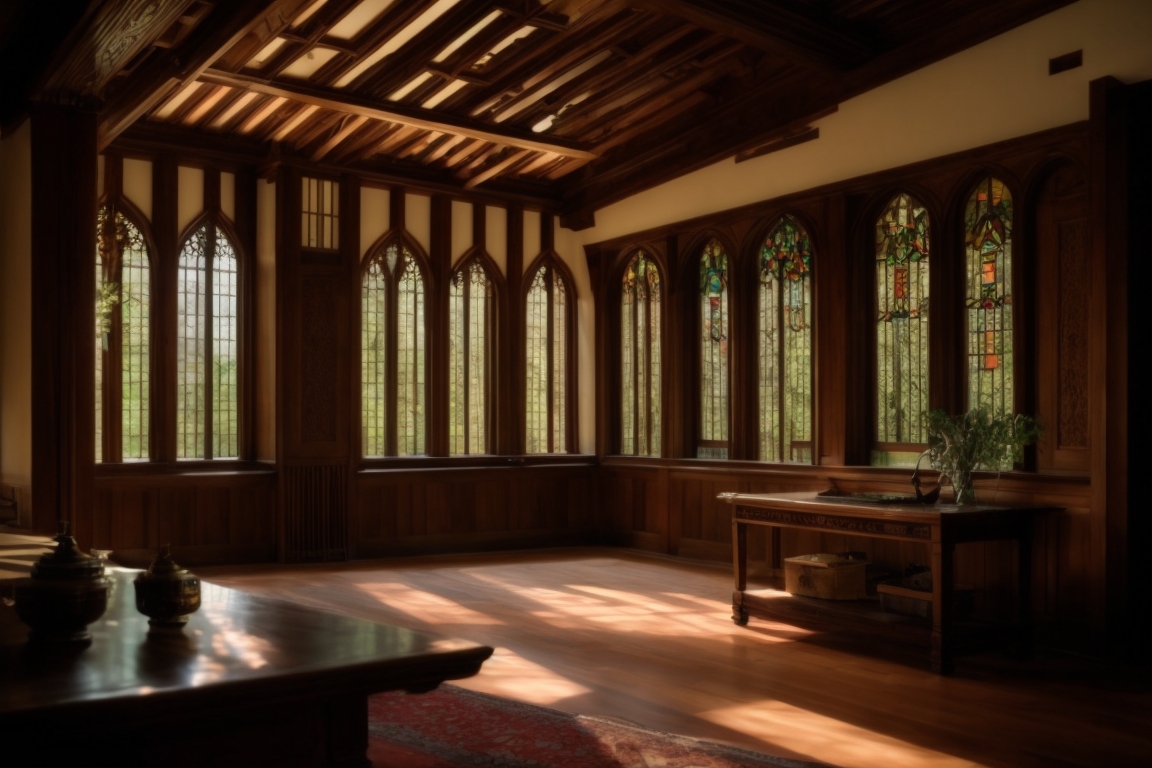
The historic Grant Mansion in Columbus, Ohio, renowned for its exquisite 19th-century stained glass windows, faced the threat of UV damage which could irreversibly fade the artwork and weaken the structural integrity of its original glass. In 2021, a spectrally selective window film was installed, significantly reducing UV penetration without altering the mansion’s aesthetic. Since installation, there has been no discernible fading of the stained glass, preserving both the mansion’s beauty and historical value. Inspired by this success, other landmark owners in Ohio are now considering this protective measure. Protect your valuable assets; contact us to explore spectrally selective window film solutions today!