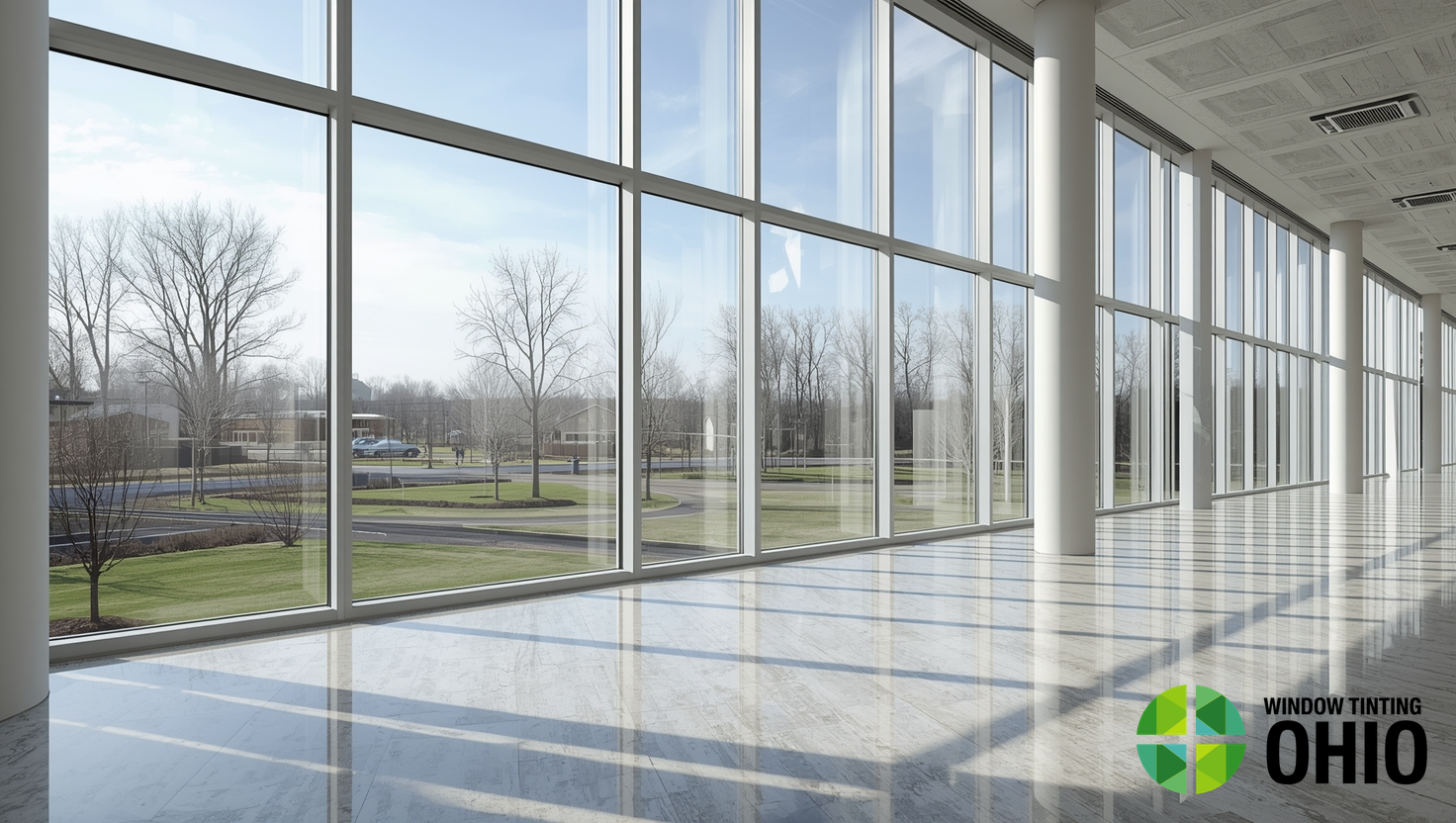
When we talk with property owners about UV window film in Ohio, the first concern is usually the same: sunlight is quietly fading floors, furniture, artwork, and retail displays. From bright summer afternoons to low-angle winter sun, Ohio light can be relentless - especially near large windows and glass storefronts.
The good news is that modern UV protection window tint in Ohio is designed to help slow that damage without turning your space into a cave. Below, we will break down what causes fading, what UV window film can realistically do, and how we help customers across Columbus, Cleveland, and Cincinnati choose the right solution for long-term fade protection.
Why Uv Window Film in Ohio Matters for Fade Protection
Fade protection is not just about aesthetics. Replacing sun-damaged flooring, reupholstering furniture, or discounting faded merchandise can become a recurring expense.
Quality window film can block over 99% of harmful UV rays, and the Skin Cancer Foundation notes that UV-protective window film can help reduce indoor UV exposure in daily life. We often recommend starting with a professional evaluation so the film type matches your glass, goals, and budget.
To understand what to expect, it helps to know what window film can and cannot do. Film dramatically reduces UV-driven damage, and it can also reduce glare and solar heat depending on the product selected - but no single solution can stop fading 100%.
- Best for: flooring near windows, artwork, photographs, textiles, leather, and retail displays
- Common spaces: living rooms with picture windows, offices with sun-facing glass, storefronts with display lighting
If you are curious what installation looks like, our team walks you through the full approach, from glass prep to final inspection, on our window film installation process page.
Authoritative reference: Skin Cancer Foundation - how window film helps protect you from UV.
What Really Causes Interior Fading
Most people blame heat alone, but fading is more complex. Sun damage is a combination of radiation and environmental factors working together over time.
Industry guidance commonly summarizes interior fading roughly like this: UV radiation ~40%, visible light ~25%, heat/infrared ~25%, and other factors ~10% (humidity, material quality, dyes, and age). That is why UV reduction is such a powerful first step - but it is not the only variable.
- UV radiation: breaks down chemical bonds in dyes, finishes, and fibers
- Visible light: can bleach colors through prolonged exposure
- Heat: accelerates chemical reactions and drying that can worsen deterioration
- Other factors: indoor humidity swings (common in Ohio), cleaning chemicals, and material sensitivity
Clear and Spectrally Selective Films: Uv Protection without Darkening Views
Many Ohio homeowners and business owners want fade protection but still want bright interiors. That is where clear and spectrally selective films stand out.
These films are engineered to block UV and manage solar energy while maintaining a natural look. For retail, this can be especially helpful when you want customers to see products clearly from the sidewalk. For homes, it means preserving natural light in spaces like kitchens, sunrooms, and open-concept living areas.
When A Clear Film Makes The Most Sense
Clear UV films are ideal when the main priority is protecting interior finishes and displays, and you want minimal change to the glass appearance.
- Showrooms and boutiques with high-visibility merchandising
- Homes with light-colored hardwood, rugs, and artwork near windows
- Offices that need daylighting but want to reduce UV exposure
When A More Solar-Control Film Helps
If comfort is also a goal, a more solar-control oriented film may be the better fit. This can reduce hot spots in summer and improve overall consistency from room to room.
- West- and south-facing glass that overheats in July and August
- Conference rooms with glare on screens
- Large storefront windows with afternoon sun
Ohio Weather: Why Fade Protection and Comfort Often Go Together
Ohio is not a one-season state. We deal with humid summers, cold winters, and shoulder seasons where the sun angle shifts quickly and surprises people with glare and brightness.
While this article focuses on fade protection Ohio property owners need, many clients choose film that also improves year-round comfort and efficiency. When we pair UV protection with solar control, we can often reduce glare, lessen peak cooling demand in summer, and create more even temperatures near windows.
If you want to explore the comfort and cost side of the decision, we lay out practical considerations on our energy savings benefits page.
Where We See the Most Sun Damage in Columbus, Cleveland, and Cincinnati
Every building is different, but patterns repeat across Ohio. The biggest fading problems typically happen where sunlight hits the same surfaces every day, especially near large panes of glass.
In Columbus, we often see homes with open layouts and wide window walls where hardwood and area rugs get uneven color shifts. In Cleveland, lake-reflected brightness can intensify exposure in certain orientations, and in Cincinnati, strong afternoon sun can punish west-facing glass in both homes and street-level retail.
- Residential hot spots: living room floors, sofas, window-side chairs, art walls, stair landings with tall windows
- Commercial hot spots: storefront displays, product packaging, textiles, posters, and lobby seating areas
Our Approach to Uv Protection Window Tint in Ohio
Choosing film is not only about picking a shade level. The right product depends on your glass type, your daylight preferences, and what you are trying to protect.
We start by learning what is fading, when the light is strongest, and whether you also want glare reduction or heat control. Then we recommend options that fit your space and explain the tradeoffs clearly.
- Assessment: orientation, problem areas, glare times, and visibility needs
- Film selection: UV-only clear films vs. spectrally selective vs. more solar control options
- Installation: careful prep, clean-room habits, and detailed finishing for clarity
- Results: meaningful UV reduction for longer-lasting interiors and displays
Because the goal is long-term performance, professional installation and product choice matter. A well-matched film can deliver strong UV protection while keeping the look and feel of your space the way you want it.
Practical Ways to Boost Fade Protection Beyond Window Film
Window film is a major step, but we like to help customers think in layers. Simple adjustments can further reduce the rate of fading and keep your interiors looking consistent.
Even small changes add up when Ohio sun hits the same surfaces day after day.
- Rotate decor: periodically move rugs and furniture to prevent uneven color shifts
- Use window coverings strategically: close them during peak sun hours when possible
- Mind humidity: keep indoor levels stable to protect wood and finishes
- Consider display placement: move sensitive products a few feet back from the glass
Ready to Improve Comfort Year-round?
If you want UV window film in Ohio that prioritizes fade protection without sacrificing natural light, we can help you choose a solution that fits your home, office, or storefront. Reach out to our team to get started in Columbus or anywhere nearby across Ohio.