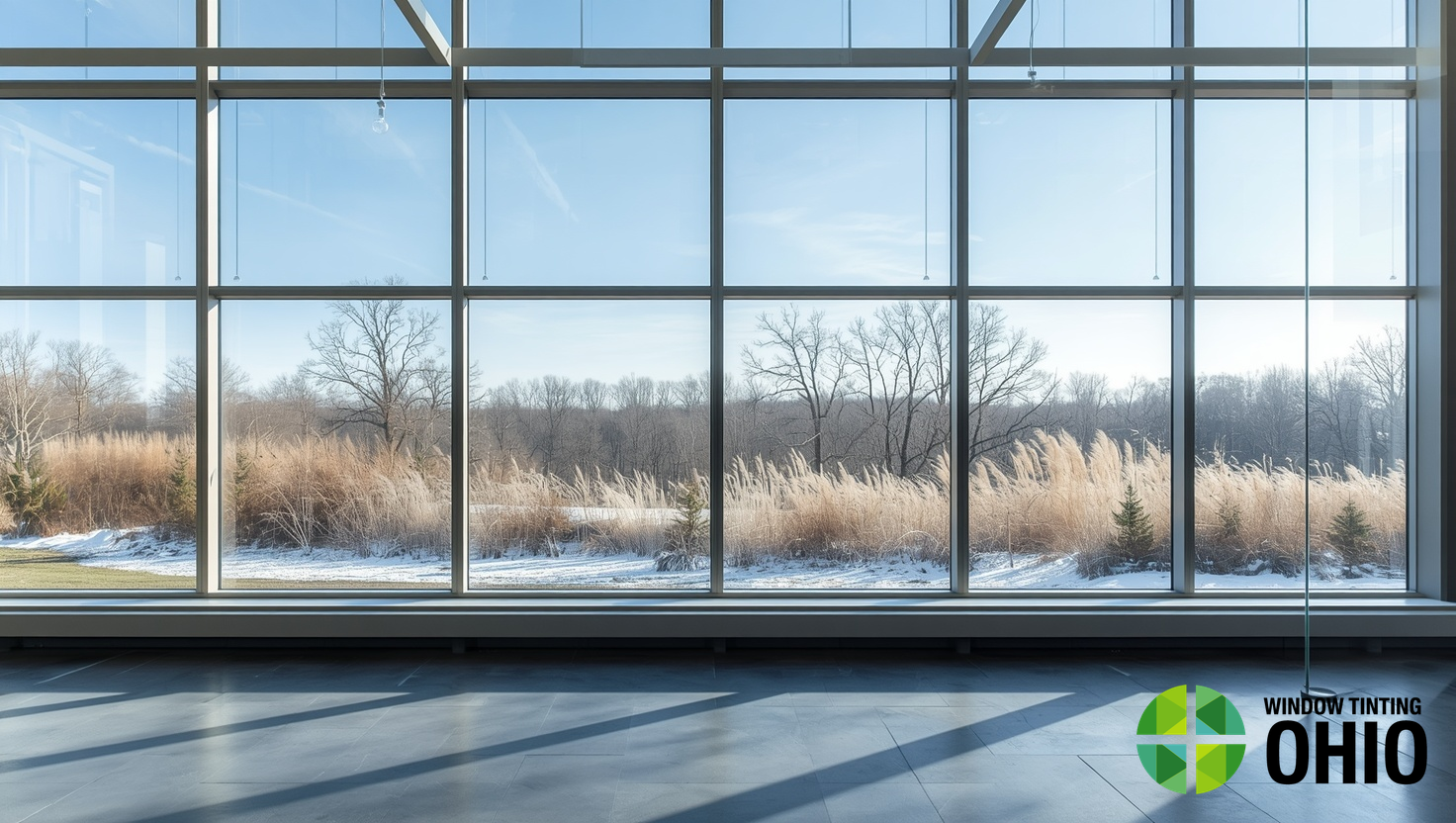
Most professionally installed architectural window tints in Ohio last a long time—often 10–20 years—when you choose a quality film and the installation is done right. The exact lifespan depends on the film type (solar control, decorative, security), where it’s installed (south- and west-facing glass works harder), and the realities of Ohio seasons: freezing winters, humid summers, and big temperature swings that stress glass and frames.
[Embed: https://www.youtube.com/embed/LjqbO424JYs?feature=oembed]
VIDEO_PENDING_REVIEW: NO_SAFE_MATCH for topic: how long do window tints last / window tint lifespan ohio
If you’re asking how long do window tints last in Ohio, the best answer is to think in ranges and risk factors. A premium film on well-sealed, sun-exposed glass in Columbus or Cincinnati may still look great after a decade-plus, while an older, lower-quality film on a window with failing seals could show wear much sooner.
Typical Lifespan Ranges for Window Tint in Ohio Homes and Buildings
Architectural window tint is built differently than automotive-style film, and it’s designed for years of performance on flat glass. With window tint in Ohio, not every product category ages the same way. These ranges are useful starting points for architectural window film, assuming professional installation and normal household or commercial use.
- Solar control (heat and glare reduction): often 10–20 years, with premium films trending toward the longer end when installed on stable, well-sealed glass.
- UV protection and fade reduction films: commonly 10–20 years, because they’re engineered for long-term clarity and UV filtering.
- Decorative and privacy films: often 8–15 years, depending on cleaning habits, surface exposure, and the pattern/finish.
- Safety and security films: commonly 10–20 years, though edge sealing, frame condition, and installer technique make a bigger difference with thicker constructions.
Commercial window film can perform just as long as residential film, but it may see more frequent cleaning, more HVAC-driven temperature cycling, and larger glass expanses that magnify installation complexity. That’s why the installer’s process matters as much as the film’s brand and series.
Why Ohio Weather and Sun Exposure Matter so Much
Ohio doesn’t just have “weather”—it has weather that swings. From Lake Erie snowbelt cold around Cleveland to humid summer afternoons in Toledo and Cincinnati, glass is constantly expanding and contracting. Window tint in Ohio has to ride along with that movement while keeping strong adhesion and optical clarity.
Here are the Ohio-specific conditions that most often influence window tint lifespan in Ohio:
- Sun-facing glass: more UV, more heat, and more daily stress on adhesives and topcoats, especially on south and west exposures.
- Freeze-thaw cycles: winter temperature drops and indoor heating create sharp gradients across the glass, which can highlight any weakness in older film or marginal installation.
- Humidity and condensation: summer humidity and shoulder-season condensation can affect edges and frames, especially if windows already have minor seal issues.
- Road salt and fine particulates: near busy corridors like I-71 and I-75, airborne grit can make improper cleaning more abrasive over time.
The good news is that quality architectural window film is built for real-world conditions. The key is matching the film type to the glass and exposure, then installing it in a way that minimizes edge stress and contamination.
Film Quality Differences That Change How Long Window Tints Last in Ohio
For window tint in Ohio, not all films are created equal. Two jobs can look similar on day one and age very differently by year five. When a film is designed for architectural glass—and installed by an experienced flat-glass installer—it’s typically more stable and longer-lasting than “automotive-style” products that some people try to adapt to buildings.
Common film constructions you’ll hear about for architectural window film include:
- Dyed films: can be budget-friendly, but the dye layer may be more prone to fading or color shift over time on high-sun exposures.
- Metallized films: often durable and effective for heat control, though reflectivity and compatibility with certain glass types should be evaluated carefully.
- Advanced non-metal and nano-ceramic style films: designed for strong solar performance with high clarity and less interference risk, and they often hold color and appearance very well over the long haul.
For many homeowners choosing window film, the practical takeaway is simple: the film category should match the goal (glare, heat, UV, privacy, security), and the product line should be intended for architectural glass with a manufacturer-backed warranty.
Installation Quality Is the Biggest Lifespan Multiplier
A premium film can still fail early if the glass prep, solution mix, squeegee technique, or edge finishing is off. The difference between an “okay” install and a great one shows up later as edge lift, contamination, or bubbling. If you want window tint lifespan in Ohio to land on the long end of the range, the install process matters as much as the film.
Key installation factors that protect window film over time include:
- Thorough surface prep: removing debris, residue, and micro-contaminants that can create bubbles or weak adhesion points.
- Correct film-to-glass match: accounting for glass type (including some low-E and specialty glass) and any existing coatings or seal conditions.
- Edge finishing and trimming: clean, consistent edges reduce the chance of lift during Ohio’s seasonal expansion/contraction cycles.
- Proper curing conditions: allowing the film to dry and bond without aggressive cleaning too soon.
If you’re comparing quotes for window film, it’s worth reading a company’s window film installation process and asking how they handle glass inspection, edge finishing, and post-install care—especially for high-sun windows or large commercial panes.

Quality window film in Ohio typically lasts 10–20 years; 3M and Llumar architectural films commonly carry 10–15 year residential warranties, with premium lines offering extended coverage.
Warranty Basics: What 3m and Llumar Commonly Cover
Warranties vary by product line and application, but 3M and Llumar warranties typically cover film defects and performance issues like peeling, cracking, crazing, bubbling, delamination, or adhesive failure—assuming the film was installed according to the manufacturer’s specifications. For window tint in Ohio, it’s common to see residential terms in the 10–15 year range, and many premium residential film lines may offer longer coverage (sometimes described as limited lifetime), while commercial terms are often shorter due to heavier use and different building conditions.

Heat rejection highlights for how long do window tints last in Ohio.
When evaluating warranty language, these are the details to verify on your specific proposal:
- Covered failure modes: what exact defects qualify (and what is excluded).
- Transferability: whether coverage stays with the home if you sell.
- Glass and frame conditions: how existing seal failures, moisture intrusion, or damaged glazing affect eligibility.
- Cleaning and care rules: whether abrasive tools or certain chemicals can void coverage.
If you want an industry overview of window film and performance expectations, the International Window Film Association (IWFA) is a useful reference point. For manufacturer product background tied to published specifications, you can also review 3M Sun Control Window Films information and compare it to your proposed film’s data sheet and warranty document.
Two Performance Numbers That Matter for Longevity and Comfort
Lifespan and performance go together. When the right film is doing the job it was designed for, it tends to be a better long-term investment—especially on the sun-facing glass that takes the most abuse in Ohio. Two numbers are especially helpful when choosing architectural window film:
- UV rejection: many professional architectural films are rated to block up to 99% of UV, which helps protect flooring, furniture, artwork, and fabrics from sun-driven fading and deterioration.
- Heat/infrared performance: select advanced solar films are documented to reject a very high portion of infrared heat (often published as “up to” values) while keeping visible light and views clear, which can reduce hot spots near windows during Ohio’s peak summer sun.
Even when the film is still physically intact, higher-performing window film can make a noticeable difference in comfort in places like the Short North in Columbus, Ohio City in Cleveland, or Over-the-Rhine in Cincinnati—especially in rooms with big west-facing glass that catches late-afternoon sun.
Signs Your Window Tints in Ohio Are Aging or Failing
Window film doesn’t usually fail overnight. Most problems show up as gradual changes in clarity, adhesion, or surface condition. If you’re monitoring window tint in Ohio as it ages, these are the most common warning signs to watch for.
- Bubbles that don’t shrink after the normal curing period: small moisture pockets can be normal shortly after installation, but persistent or expanding bubbles may indicate adhesion problems.
- Edge lift or peeling: edges are where seasonal movement and cleaning stress show up first, especially on older frames or frequently cleaned commercial glass.
- Haze, cloudiness, or a “milky” look: this can point to aging adhesive, contamination, or (in some cases) glass issues that need evaluation.
- Cracking, crazing, or visible lines: often a sign the film is past its prime or has been exposed to harsh cleaners or abrasive tools.
- Noticeable color shift: more common with lower-tier constructions or extreme sun exposure over time.
If you see any of these issues, it doesn’t always mean a full replacement is required. Sometimes the problem is localized to one exposure or one set of panes, and an installer can help you decide whether to repair, replace, or upgrade.
How to Extend Window Tint Lifespan in Ohio
Once window tint in Ohio is installed and fully cured, a little care goes a long way. The goal is to avoid scratching the film surface and to keep edge areas clean without harsh chemicals that can degrade topcoats over time.
These habits help window tint in Ohio last longer:
- Use gentle cleaning: a soft microfiber cloth and a mild, non-abrasive cleaner help protect the film’s surface.
- Avoid rough tools: scrapers, abrasive pads, and gritty paper towels can create fine scratches that dull clarity.
- Be careful around edges: aggressive edge scrubbing is a common cause of premature lift, especially in high-condensation seasons.
- Address window seal problems early: if a double-pane seal fails and moisture gets between panes, it can create haze that looks like film failure and may limit what any film can do.
For busy storefronts and offices, setting a consistent cleaning protocol is one of the easiest ways to protect commercial window film from unnecessary wear.
Replace or Upgrade? a Practical Rule for Ohio Properties
If your current film is failing, replacement is usually the right move. If the film is simply older and doesn’t meet your comfort goals—glare on screens, uneven temperatures near windows, or fading concerns—an upgrade can make sense even before true failure. Many property owners upgrade window tints in Ohio when they renovate interiors, replace furniture, or want better summer comfort without closing blinds all day.
For homes, pairing modern film performance with professional installation can be especially helpful in sun-facing living rooms and bedrooms. For businesses, window film can improve comfort for staff and customers while helping reduce glare on displays and workstations. If you’re weighing options, browsing commercial window film solutions in Ohio and residential window film options in Ohio can help clarify what’s available for your building type and goals.
Get a Quote for Long-lasting Window Tint in Ohio
If you want window tints in Ohio that look great and perform for the long haul, start with a quick consultation. A professional can evaluate your glass type, sun exposure, and comfort goals, then recommend a film and warranty that fit your home or building. Contact Window Tinting Ohio to schedule a quote and get a clear, durable solution installed the right way.