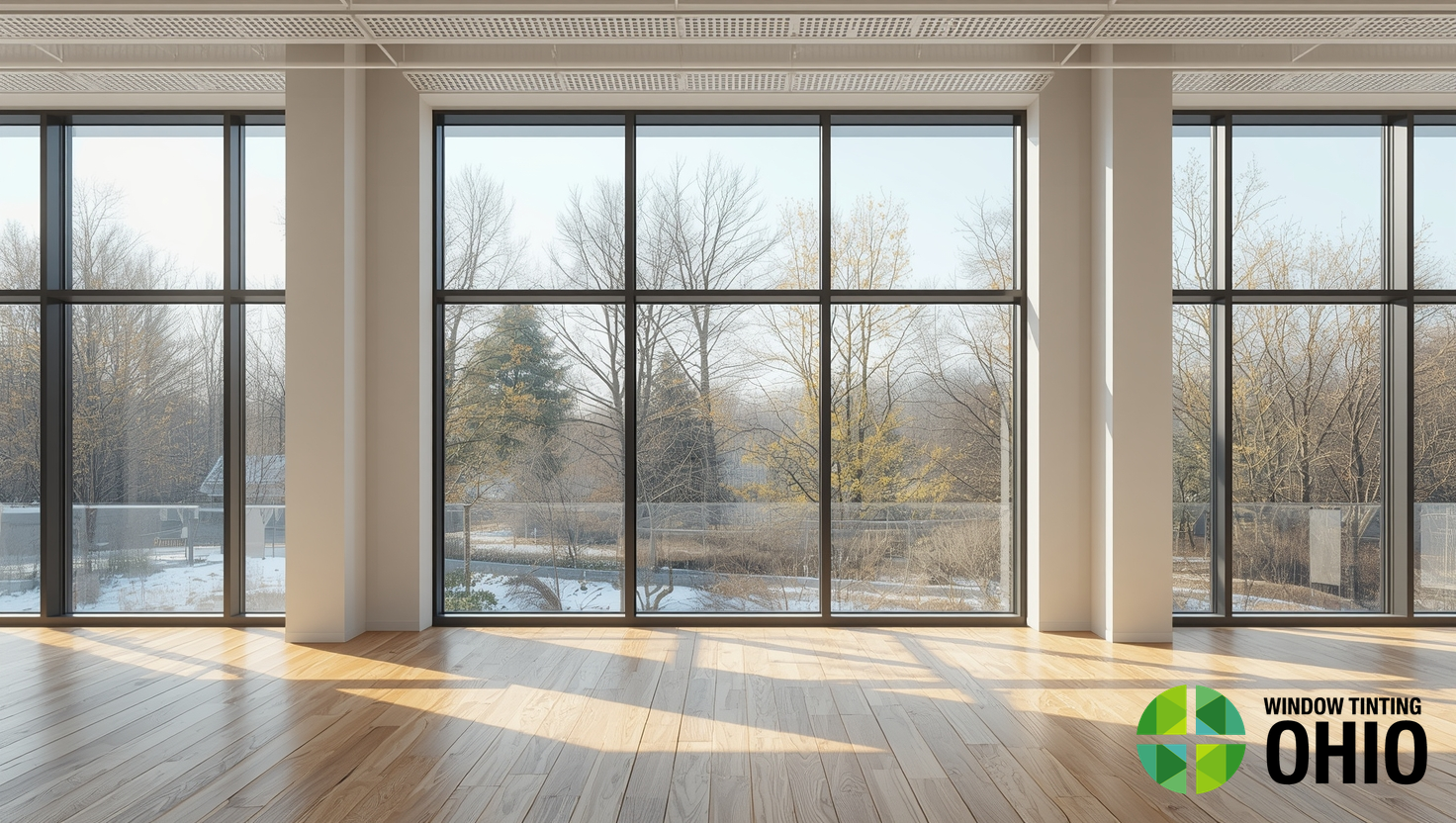
February in the Midwest is when many property owners start noticing cold spots, bright low-angle sun, and higher utility bills. The good news is that window tinting in Ohio can be a practical upgrade that helps with comfort now, while also setting you up for smoother cooling season performance later. For independent guidance, see the U.S. Department of Energy.
Why Ohio Buildings Feel Drafty Even with Decent Windows
In older Ohio homes and many light-commercial buildings, discomfort often comes from a combination of issues: temperature differences across the glass, air leakage around frames, and solar glare that hits at a low angle in winter. Film doesn’t replace weatherstripping or a failed seal, but it can meaningfully improve how your rooms “feel” by reducing radiant heat loss and balancing sunlight.
When you’re considering window tinting in Ohio, it helps to think in terms of three winter pain points:
- Radiant chill: cold glass pulls warmth from your body even if the thermostat reads fine.
- Glare: winter sun sits low and can blast through east- and west-facing windows.
- UV exposure: UV rays still penetrate on bright winter days and can fade floors, furniture, and retail displays.
Pick the Right Film Type for Winter Comfort (and Year-round Value)
Not all films are the same. Many people assume “tint” is just for darkening a window, but modern architectural films can be nearly clear while still offering performance benefits. For most homeowners and facility managers, the best results come from matching the film to the problem window—especially in Ohio’s swingy weather.
1) Low-reflective solar control film for glare and summer prep
If your biggest winter issue is blinding sun on a lake-facing living room, a street-facing office, or a west-facing storefront, a low-reflective solar control film can reduce glare without making the glass look like a mirror. That same choice often helps reduce summertime heat gain, which is a big deal when energy costs are volatile.
For mixed-use properties, many owners start by reviewing options under our window film services and then pinpoint the rooms or elevations that need the most help.
2) Spectrally selective film for bright rooms that you don’t want to darken
Some Ohio homeowners want the view and daylight, just without the harshness. Spectrally selective films are designed to maintain visible light while filtering specific wavelengths that contribute to glare and heat. It’s a smart fit for open-concept kitchens, home offices, and conference rooms where you want natural light without squinting at screens.
In many cases, window tinting in Ohio with a lighter, more neutral film is the most “invisible” improvement you can make—and it’s easier for occupants to accept compared to heavy darkening.
3) Safety/security film when winter weather raises breakage risk
Freeze-thaw cycles and wind can be tough on glass. If you manage a retail space, school, medical office, or simply want added peace of mind at home, safety/security film helps hold glass together if it cracks. While it won’t make glass unbreakable, it can reduce the hazard and delay forced entry—especially when paired with proper attachment systems.
Commercial decision-makers often evaluate this alongside energy goals; our commercial window tinting solutions can be tailored for both comfort and protection.
Where Film Helps Most in Ohio Homes and Offices
If you’re budgeting for window tinting in Ohio, target the areas that create the most complaints and the biggest HVAC load. In winter, that’s usually the windows that see strong morning/afternoon sun or the largest glass surfaces.
- East-facing bedrooms: reduce early glare and help stabilize temperature near the glass.
- West-facing family rooms: cut afternoon glare that reflects off snow or wet pavement.
- Glass-heavy offices: improve screen visibility and reduce “hot/cold zone” disputes.
- Storefronts: protect merchandise from UV fading and make interiors more comfortable for staff.
For homeowners, a quick way to narrow options is to compare goals on our residential window tinting page and list the rooms where you feel drafts or glare the most.
Questions to Ask before You Schedule an Installation
To get the most from window tinting in Ohio, ask a few practical questions up front. A reputable installer will walk you through tradeoffs in plain language.
- What’s the film’s visible light transmission (VLT)? This determines how dark it looks.
- How reflective is it in daylight vs. at night? Reflection affects exterior appearance and nighttime privacy expectations.
- What’s the warranty and what does it cover? Look for coverage against bubbling, peeling, and discoloration.
- Will it work with my existing glass? Some double-pane and specialty glass types have compatibility considerations.
- What rooms should be prioritized first? A good plan can phase the project to match your budget.
Timing: Is Late Winter a Good Time to Tint Windows?
Yes—late winter can be an excellent time for window tinting in Ohio. You get immediate glare relief during the low-sun months, and you’re not scrambling when the first humid heat wave hits. Indoor installations are typically straightforward in colder weather, and you’ll also notice UV protection right away (helpful for hardwood floors, upholstered furniture, and artwork).
Just remember: film curing time can be a bit longer in cooler conditions. Your installer should explain what to expect (a slight haze during curing can be normal) and how to clean the glass after installation.
If you want help choosing the right film for your home or facility, contact us for a free quote and a window-by-window recommendation. We’ll help you get the comfort and protection you want with window tinting in Ohio—without making your space feel darker than it needs to.